Buttock Pain
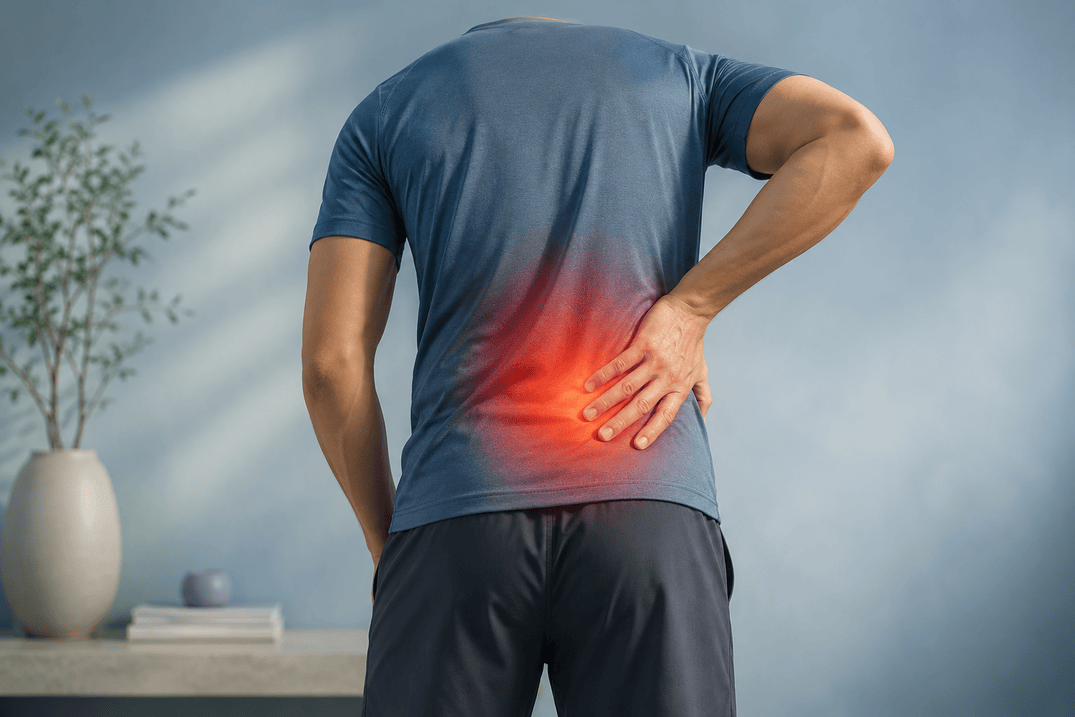
Buttock pain may feel deep, aching, sharp or burning and can affect sitting, walking, stairs or training. Spine & Strength Chiropractic in Craigieburn assesses the lower back, sacroiliac region, hips, gluteal muscles and neurological signs to identify likely contributors.
Typical Recovery
Varies by source, load and symptom duration
Affected Area
Central buttock, outer hip, sit-bone or upper thigh
Common In
Desk workers, runners, lifters, drivers and active adults
OVERVIEW
Understanding buttock pain
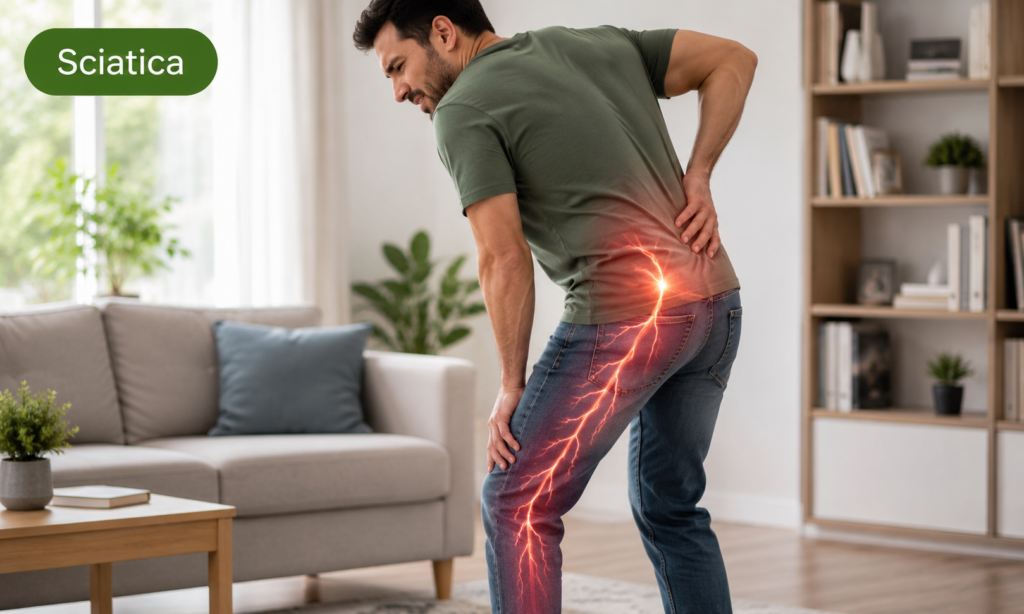
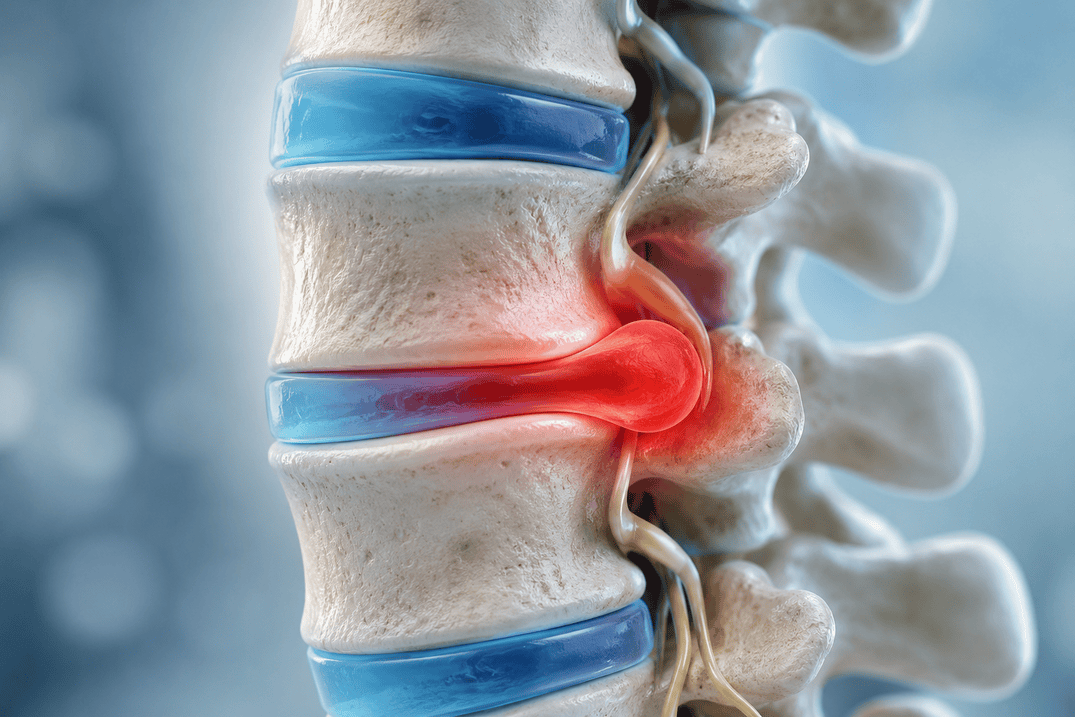
The buttock contains the gluteal muscles, tendons, deep hip rotators and nerves and sits close to the lower back, sacroiliac joints and hip. Pain may be local, referred from the spine or associated with nerve irritation. Symptoms that spread below the knee, include tingling or weakness, or do not change with movement need particularly careful assessment.
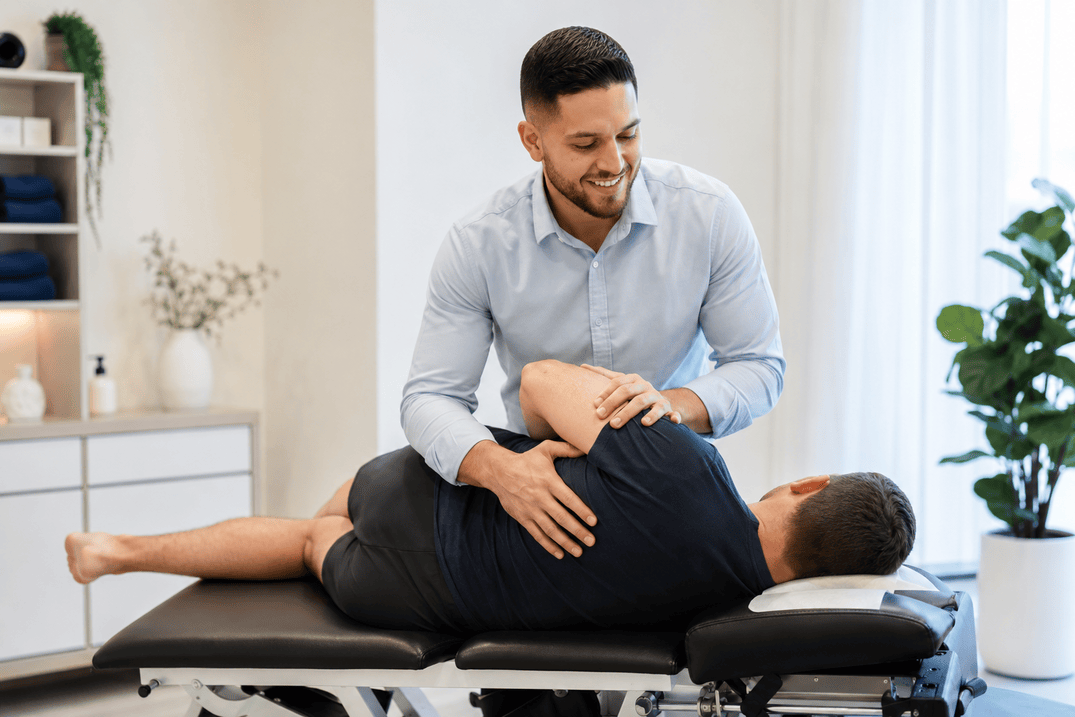
Neurological and lower-limb movement assessment
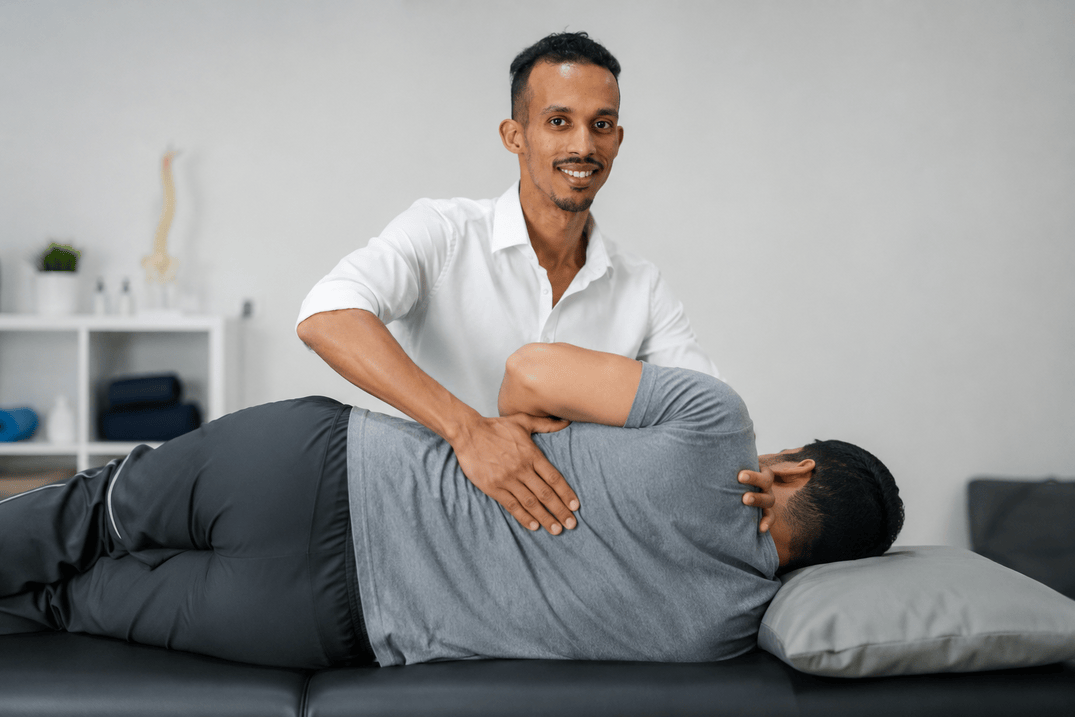
Tailored care and progressive rehabilitation
POSSIBLE CONTRIBUTORS
Where symptoms may be coming from
Lower-limb symptoms may involve more than one region. A structured assessment considers the spine, pelvis, local joints, nerves and relevant medical factors.
Gluteal Muscles & Tendons
The gluteal muscles and tendons may become sensitive after running, climbing, lifting or a rapid increase in activity.
Lower Back & Nerves
Lumbar structures can refer pain into the buttock, sometimes with symptoms continuing down the leg.
Hip & Deep Rotators
Hip-joint or deep rotator sensitivity can create pain with sitting, turning, crossing the legs or changing direction.
Sacroiliac & Pelvic Region
Joints and tissues around the back of the pelvis may contribute after strain, pregnancy-related change or uneven loading.
WHAT TO WATCH FOR
Symptoms & common causes
Symptoms to look out for
- Deep ache, sharp catch or burning in one buttock
- Pain with prolonged sitting, driving or getting up from a chair
- Symptoms during walking, stairs, running or single-leg loading
- Pain spreading into the thigh, calf or foot
- Tingling, numbness or weakness in the leg
Common causes
- Gluteal muscle or tendon overload
- Lower-back referred pain or nerve irritation
- Hip-joint or deep-rotator sensitivity
- Sacroiliac or pelvic-region strain
- Less commonly, inflammatory, vascular or other medical conditions
TREATMENT
How we may support it
At Spine & Strength Chiropractic, Craigieburn, care is based on the history, neurological findings, movement pattern, symptom irritability and your day-to-day goals.
- Hands-on care to relevant spinal, pelvic or hip regions where suitable
- Mobility work matched to the most limited or sensitive area
- Progressive gluteal, hip and trunk strengthening
- Sitting, running, lifting and training-load advice
- Referral for imaging, GP review or another practitioner when indicated
SHOULD YOU GET ASSESSED?
Signs you may benefit from an assessment
- Pain persists or repeatedly limits sitting, walking or exercise
- Symptoms travel below the knee or include tingling or numbness
- There is weakness, foot drop or altered balance
- Pain began after a fall, impact or significant increase in activity
- Symptoms occur with fever, unexplained weight loss or severe night pain
Some symptoms need urgent medical assessment
Call 000 for sudden neurological symptoms such as facial droop, speech difficulty or one-sided weakness. Seek emergency care for saddle numbness, new bladder or bowel dysfunction, rapidly worsening leg weakness, severe trauma, a cold pale limb or pain with major swelling and breathlessness.
YOUR JURNEY
Our 4-step care plan
We assess the symptom pattern, related spinal and lower-limb regions, neurological findings and the activities you need for work, family life and exercise.
Consultation
We discuss onset, distribution, triggers, previous injury, medical history, walking tolerance and your goals.
Physical Assessment
We assess spinal and lower-limb movement, strength, reflexes, sensation, balance and relevant nerve findings.
Findings & Explanation
We explain the likely pattern in plain language and discuss whether imaging, GP review or another referral is appropriate.
Personalised Care Plan
Your plan may combine hands-on care, exercise, activity modification and graded return to walking, work or training.
FAQ
Frequently asked questions
Is buttock pain always sciatica?
No. It may come from gluteal muscles, tendons, the hip, pelvic joints or the lower back. Sciatic symptoms more often travel into the leg and may include tingling or numbness
Why does sitting make it worse?
Sitting can load the buttock tissues, hip rotators and nerves and can also place the lower back in a sustained position
Should I stretch the piriformis?
Not automatically. Deep stretching can aggravate some hip or nerve presentations. The correct exercise depends on the assessment.
Can buttock pain come from the hip?
Yes. Hip-joint and gluteal tendon conditions can refer pain into the buttock or outer thigh.
When should I seek urgent help?
Urgent care is needed for new bladder or bowel changes, saddle numbness, rapidly worsening weakness, severe trauma or a hot swollen leg.
Book a buttock pain assessment in Craigieburn
Visit Spine & Strength Chiropractic in Craigieburn for a personalised assessment, clear explanation and guidance on appropriate care, exercise or referral.