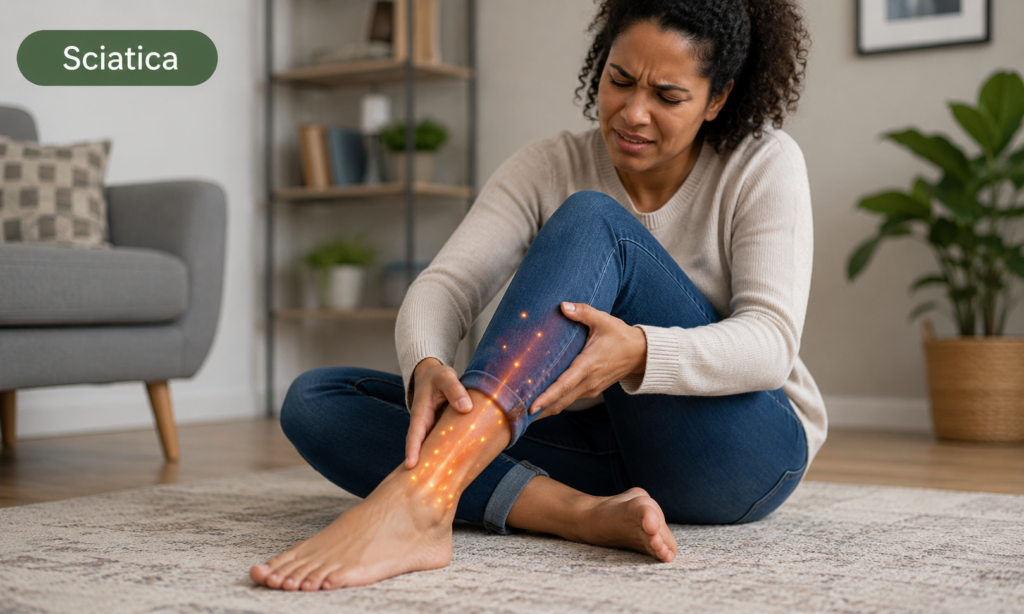
Nerve-like Discomfort
Nerve-like discomfort may feel burning, shooting, electric, hypersensitive or unusually cold. At Spine & Strength Chiropractic in Craigieburn, we assess the lower back, pelvis and leg together with strength, reflexes and sensation to clarify the pattern and appropriate next step.
Typical Recovery
Variable; depends on source and neurological findings
Affected Area
Back, buttock, thigh, calf, foot or toes
Common In
People with radiating symptoms, nerve irritation or neuropathy
OVERVIEW
Understanding nerve-like discomfort
Nerve-like discomfort describes a quality of symptoms rather than a diagnosis. It can result from irritation near a spinal nerve root, sensitivity along a peripheral nerve or nerve damage from a medical condition. Burning or electric pain may occur with tingling, numbness, touch sensitivity or weakness. A careful history and neurological examination are important because treatment depends on the source.

Neurological and lower-limb movement assessment

Tailored care and progressive rehabilitation
POSSIBLE CONTRIBUTORS
Where symptoms may be coming from
Lower-limb symptoms may involve more than one region. A structured assessment considers the spine, pelvis, local joints, nerves and relevant medical factors.
Nerve Roots
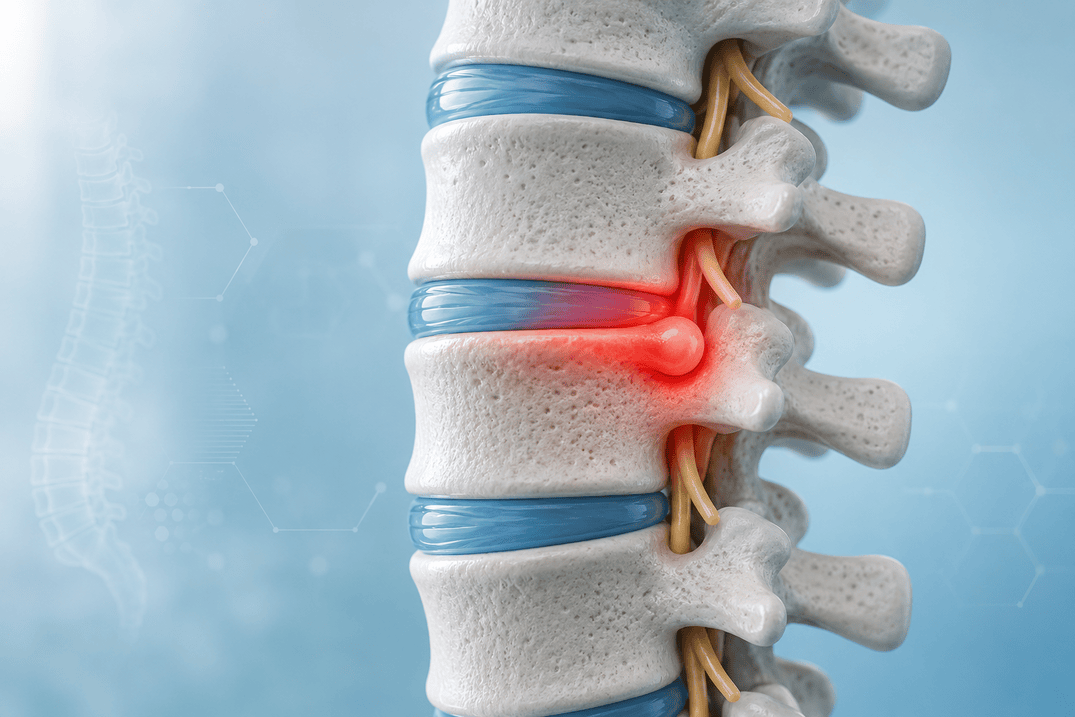
A lumbar nerve root may become irritated by local inflammation or pressure, creating symptoms that travel into the leg.
Sciatic & Peripheral Nerves
The sciatic nerve and smaller leg nerves may become sensitive to certain positions, injury, swelling or repetitive pressure.
Nervous System Sensitivity
Persistent pain can make the nervous system more protective, so normal movement or touch may feel unusually intense
Medical Neuropathy
Diabetes, shingles, medication effects and other conditions can damage nerves and require GP-led investigation and management.
WHAT TO WATCH FOR
Symptoms & common causes
Symptoms to look out for
- Burning, shooting, electric or stabbing sensations
- Pain travelling in a narrow path down the leg
- Tingling, numbness or altered temperature perception
- Pain from light touch or clothing against the skin
- Weakness, foot drop or reduced coordination
Common causes
- Lumbar disc or nerve-root irritation
- Peripheral nerve compression, injury or inflammation
- Persistent nervous-system sensitivity
- Diabetic, medication-related or other neuropathy
- Less commonly, infection, vascular or central neurological disease
TREATMENT
How we may support it
At Spine & Strength Chiropractic, Craigieburn, care is based on the history, neurological findings, movement pattern, symptom irritability and your day-to-day goals.
- Neurological examination and symptom-mapping
- Education about positions, loads and symptom behaviour
- Hands-on care where appropriate and tolerated
- Graded movement, strength and nerve-mobility strategies
- Referral for GP, imaging or specialist review where indicated

SHOULD YOU GET ASSESSED?
Signs you may benefit from an assessment
- Symptoms are persistent, severe or progressively spreading
- There is weakness, foot drop, loss of coordination or falls
- Numbness or reduced sensation accompanies the pain
- Symptoms affect both legs or do not relate to movement
- Pain is associated with rash, fever, unexplained weight loss or night sweats
Some symptoms need urgent medical assessment
Call 000 for sudden neurological symptoms such as facial droop, speech difficulty or one-sided weakness. Seek emergency care for saddle numbness, new bladder or bowel dysfunction, rapidly worsening leg weakness, severe trauma, a cold pale limb or pain with major swelling and breathlessness.
YOUR JURNEY
Our 4-step care plan
We assess the symptom pattern, related spinal and lower-limb regions, neurological findings and the activities you need for work, family life and exercise.
Consultation
We discuss onset, distribution, triggers, previous injury, medical history, walking tolerance and your goals.
Physical Assessment
We assess spinal and lower-limb movement, strength, reflexes, sensation, balance and relevant nerve findings.
Findings & Explanation
We explain the likely pattern in plain language and discuss whether imaging, GP review or another referral is appropriate.
Personalised Care Plan
Your plan may combine hands-on care, exercise, activity modification and graded return to walking, work or training.
FAQ
Frequently asked questions
How can I tell if pain is nerve-related?
Burning, electric, shooting or radiating qualities can suggest nerve involvement, especially with tingling, numbness or weakness, but examination is needed.
Does nerve-like pain mean permanent damage?
No. Nerve symptoms can occur from temporary irritation as well as nerve damage. The pattern and neurological findings guide prognosis and referral.
Can manual therapy help?
It may be used when examination supports a musculoskeletal contributor, but it is not appropriate for every cause and cannot guarantee symptom resolution.
What is neuropathy?
Neuropathy is dysfunction or damage affecting peripheral nerves and can cause pain, weakness, numbness or tingling. Medical investigation may be required.
When is nerve pain an emergency?
Emergency signs include rapidly worsening weakness, saddle numbness, bladder or bowel changes, stroke-like symptoms or a cold pale limb.
Book a nerve-like discomfort assessment in Craigieburn
Visit Spine & Strength Chiropractic in Craigieburn for a personalised assessment, clear explanation and guidance on appropriate care, exercise or referral.