Numbness
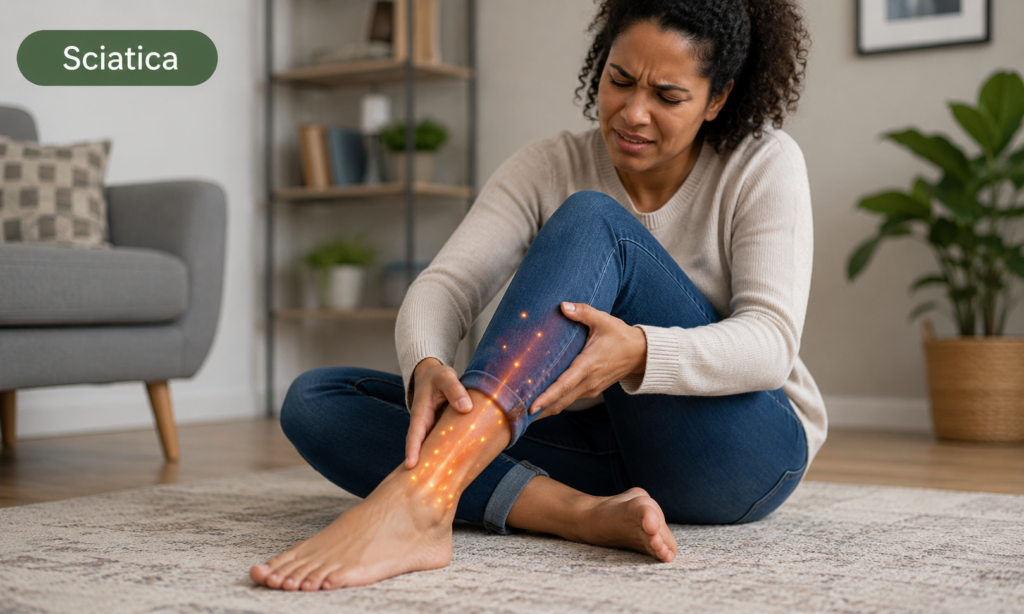
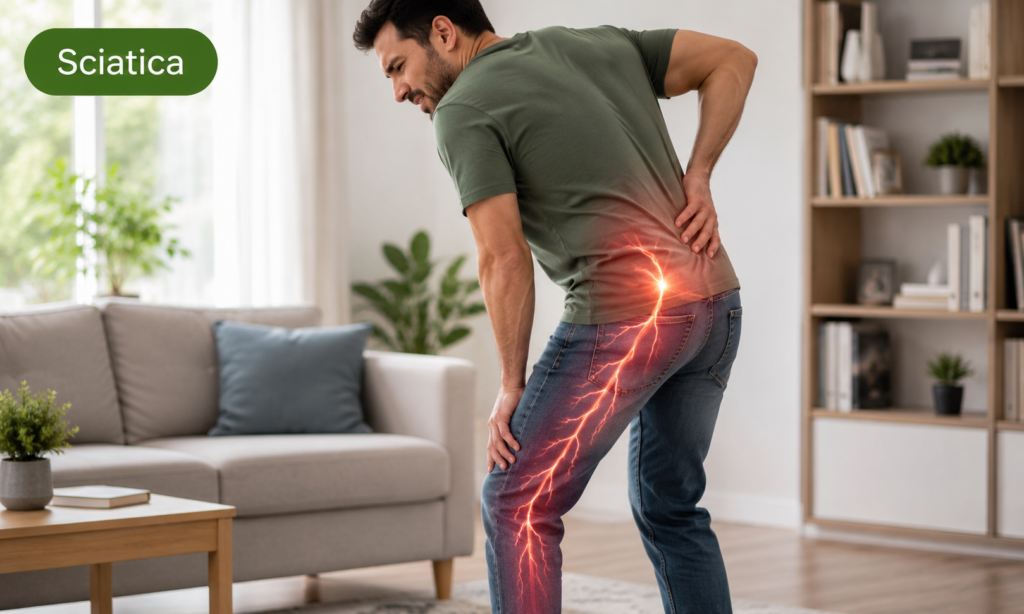
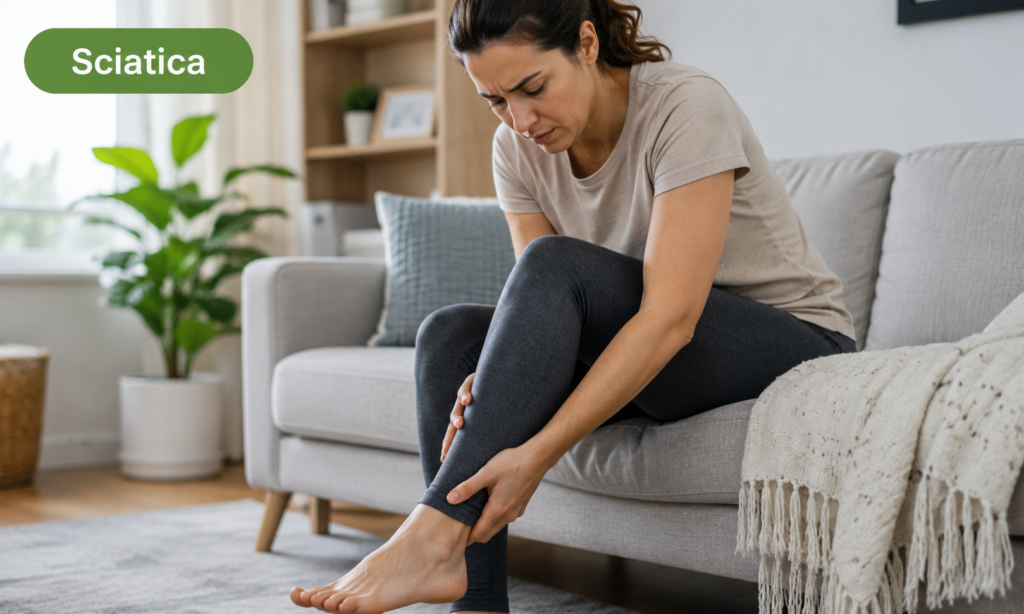
Numbness means reduced or altered sensation and may affect the leg, foot or toes. Spine & Strength Chiropractic in Craigieburn provides neurological screening to check strength, reflexes and sensation and to determine whether musculoskeletal care, GP review or urgent assessment is appropriate.
Typical Recovery
Depends on cause; persistent loss of feeling needs review
Affected Area
Thigh, calf, foot, heel or toes
Common In
People with nerve irritation, neuropathy or recent injury
OVERVIEW
Understanding numbness
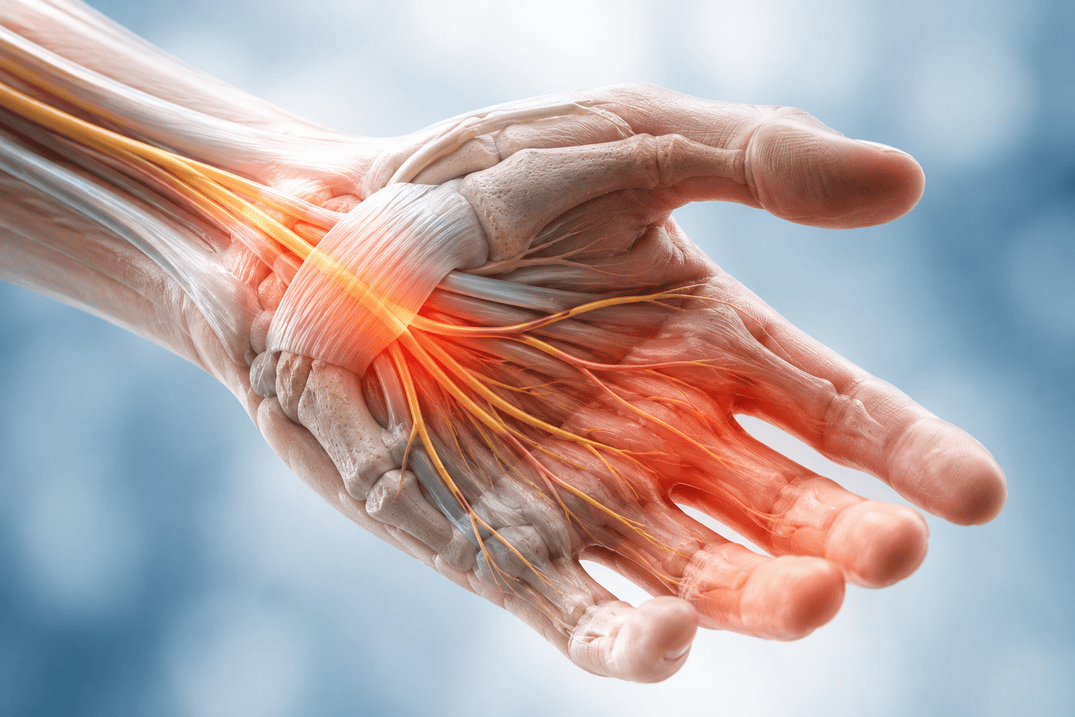
Numbness may feel like reduced touch, a deadened patch or difficulty sensing temperature. It can occur when a nerve is compressed or irritated, but may also be related to peripheral neuropathy, circulation, neurological disease or injury. Because loss of sensation can increase the risk of falls, burns and unnoticed skin injury, persistent numbness should not be ignored.
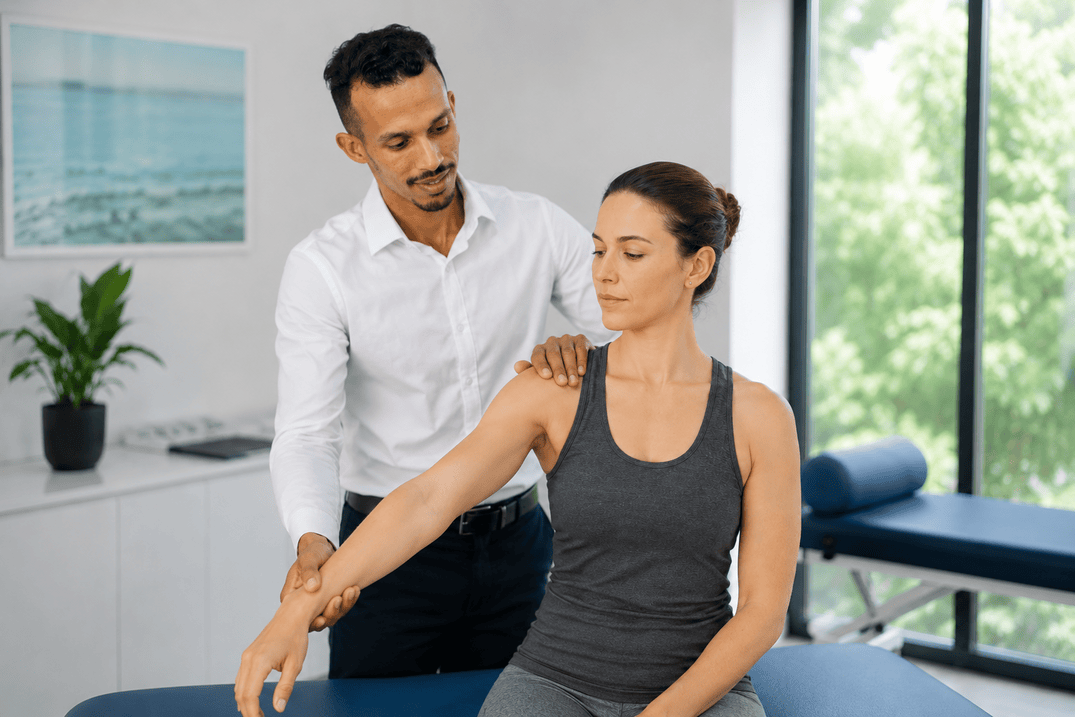
Neurological and lower-limb movement assessment

Tailored care and progressive rehabilitation
POSSIBLE CONTRIBUTORS
Where symptoms may be coming from
Lower-limb symptoms may involve more than one region. A structured assessment considers the spine, pelvis, local joints, nerves and relevant medical factors.
Lower Back Nerves
Lumbar nerve-root irritation may cause a patch or pathway of numbness into the leg or foot, sometimes with pain or weakness
Peripheral Nerves
Local nerves can be affected near the hip, knee, fibular head, ankle or foot by injury, pressure or swelling
Peripheral Neuropathy
Diabetes and other medical conditions can cause numbness that often begins in the feet and may affect both sides.
Circulation & Neurology
A cold, pale limb, sudden one-sided numbness or widespread neurological change requires urgent medical attention.
WHAT TO WATCH FOR
Symptoms & common causes
Symptoms to look out for
- A deadened, reduced or absent feeling in part of the leg or foot
- Difficulty sensing touch, temperature or the floor beneath the foot
- Numbness with tingling, burning or electric sensations
- Weakness, foot drop, altered balance or tripping
- Skin injury or pressure areas that are difficult to feel
Common causes
- Lumbar nerve-root or sciatic pathway irritation
- Pressure or injury to a peripheral nerve
- Diabetic or other peripheral neuropathy
- Circulation problems or swelling
- Less commonly, central neurological conditions
TREATMENT
How we may support it
At Spine & Strength Chiropractic, Craigieburn, care is based on the history, neurological findings, movement pattern, symptom irritability and your day-to-day goals
- Detailed neurological screening and functional assessment
- Movement and load advice where a musculoskeletal source is suspected
- Hands-on care only when clinically appropriate and safe
- Strength, balance and gait rehabilitation as indicated
- Prompt referral for medical testing when the presentation is unexplained or progressive
SHOULD YOU GET ASSESSED?
Signs you may benefit from an assessment
- Numbness persists, spreads or returns frequently
- There is weakness, foot drop, tripping or balance change
- Both feet are affected or symptoms are not influenced by movement
- You have diabetes, recent trauma or unexplained skin changes
- There is numbness around the groin, inner thighs or saddle area
Some symptoms need urgent medical assessment
Call 000 for sudden one-sided numbness with facial droop, speech difficulty, severe headache or weakness. Seek emergency care for saddle numbness, new bladder or bowel changes, rapidly progressive weakness, a cold pale limb, severe trauma or numbness accompanied by chest pain or breathlessness
YOUR JURNEY
Our 4-step care plan
We assess the symptom pattern, related spinal and lower-limb regions, neurological findings and the activities you need for work, family life and exercise.
Consultation
We discuss onset, distribution, triggers, previous injury, medical history, walking tolerance and your goals
Physical Assessment
We assess spinal and lower-limb movement, strength, reflexes, sensation, balance and relevant nerve findings.
Findings & Explanation
We explain the likely pattern in plain language and discuss whether imaging, GP review or another referral is appropriate.
Personalised Care Plan
Your plan may combine hands-on care, exercise, activity modification and graded return to walking, work or training.
FAQ
Frequently asked questions
Can numbness come from the lower back?
Yes. A lumbar nerve root can produce altered sensation in part of the leg or foot, often in a pattern that helps guide examination.
Is numbness more serious than pain?
Not always, but persistent loss of sensation requires careful assessment because it can indicate nerve dysfunction and increase injury risk.
Can chiropractic care restore sensation?
No outcome can be guaranteed. Care is considered only after assessment, and medical referral is important when numbness is progressive, widespread or unexplained
What if both feet are numb?
Bilateral foot numbness can occur with peripheral neuropathy and other medical conditions. A GP review is recommended.
What is saddle numbness?
It is reduced feeling around the groin, inner thighs or area that contacts a saddle. With bladder or bowel change, it is an emergency
Book a numbness assessment in Craigieburn
Visit Spine & Strength Chiropractic in Craigieburn for a personalised assessment, clear explanation and guidance on appropriate care, exercise or referral.