Pins and Needles
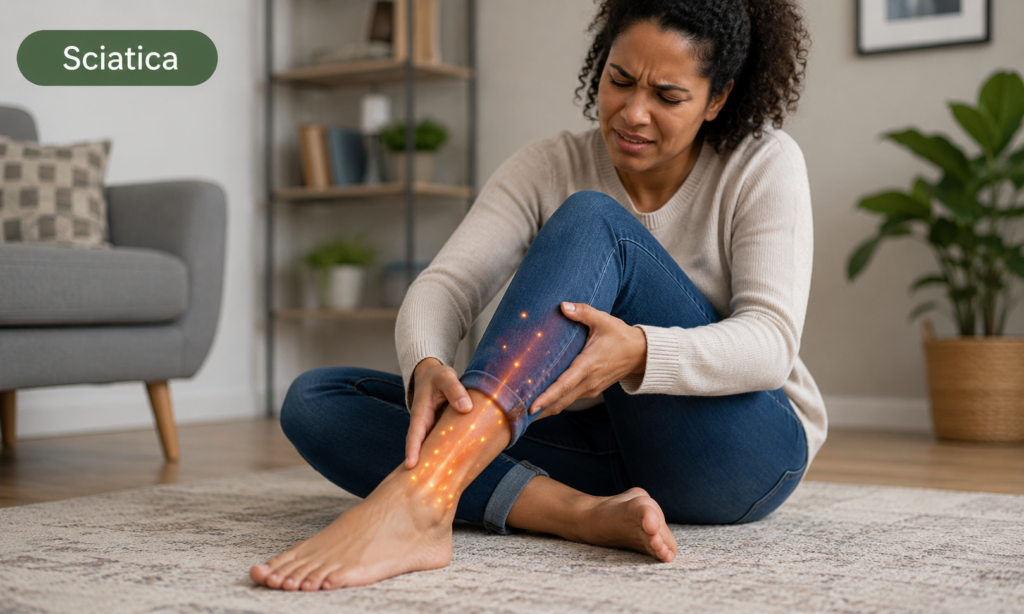
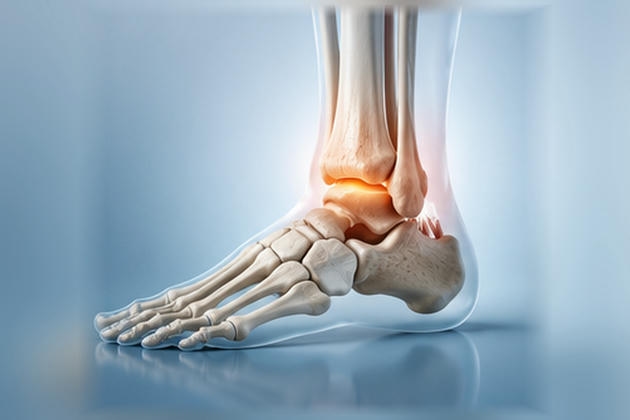
Pins and needles may feel like prickling, crawling or tiny electric shocks in the leg or foot. Spine & Strength Chiropractic in Craigieburn assesses nerve function, spinal and lower-limb movement and associated weakness or numbness before recommending care or referral.
Typical Recovery
Brief episodes may settle quickly; persistent symptoms need review
Affected Area
Leg, calf, sole, toes or outer foot
Common In
After pressure, prolonged sitting or nerve irritation
OVERVIEW
Understanding pins and needles
Pins and needles is commonly used to describe paraesthesia – an altered sensation that often follows temporary pressure on a nerve. When it keeps returning, lasts longer or occurs with pain, numbness or weakness, the source may involve the lower back, sciatic pathway, a local peripheral nerve or a medical condition such as neuropathy

Neurological and lower-limb movement assessment
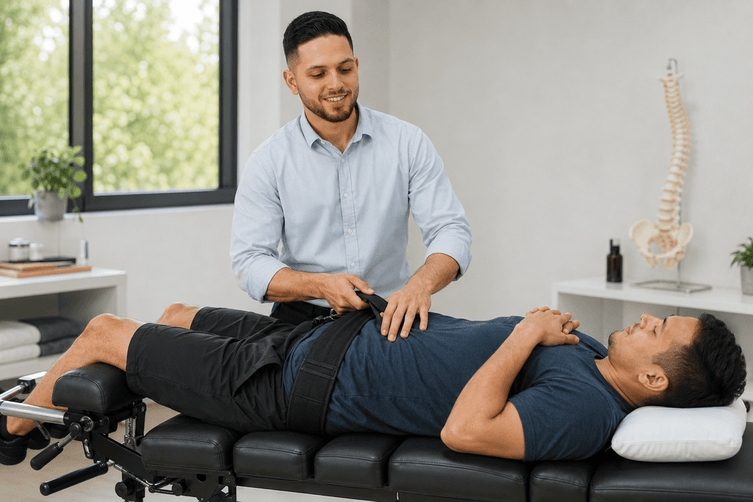
Tailored care and progressive rehabilitation
POSSIBLE CONTRIBUTORS
Where symptoms may be coming from
Lower-limb symptoms may involve more than one region. A structured assessment considers the spine, pelvis, local joints, nerves and relevant medical factors.
Temporary Nerve Pressure
Sitting, kneeling or lying in one position may temporarily compress a nerve and create a short-lived prickling sensation.
Lower Back & Sciatic Pathway
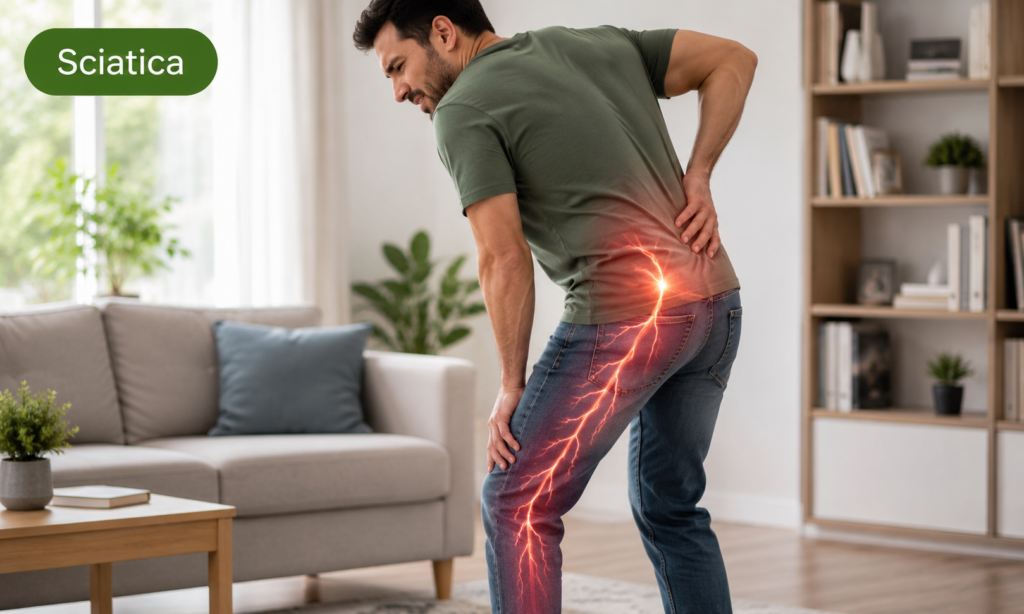
Nerve irritation near the lumbar spine can produce pins and needles that extend into the buttock, calf or foot.
Local Nerve Entrapment
Pressure near the knee, ankle or foot may affect a peripheral nerve and create a more local pattern.
Medical Contributors
Persistent or bilateral symptoms may relate to diabetes, vitamin deficiency, medication effects or another neurological condition.
WHAT TO WATCH FOR
Symptoms & common causes
Symptoms to look out for
- Prickling, crawling or tiny electric-shock sensations
- Pins and needles after sitting, kneeling or crossing the legs
- Symptoms spreading from the back or buttock into the foot
- Associated numbness, burning, weakness or cramping
- Frequent episodes that last longer or occur without clear pressure
Common causes
- Temporary compression of a nerve
- Lumbar nerve-root or sciatic irritation
- Peripheral nerve pressure around the knee, ankle or foot
- Diabetes, vitamin deficiency or medication effects
- Less commonly, circulation or neurological disease
TREATMENT
How we may support it
At Spine & Strength Chiropractic, Craigieburn, care is based on the history, neurological findings, movement pattern, symptom irritability and your day-to-day goals.
- Assessment of sensation, strength, reflexes and symptom distribution
- Advice on positions and movements that aggravate the nerve
- Gentle care and exercise where musculoskeletal findings support it
- Progressive mobility, strength and walking tolerance
- Referral to a GP or specialist for persistent or medically suspicious symptoms

SHOULD YOU GET ASSESSED?
Signs you may benefit from an assessment
- Episodes are frequent, prolonged or progressively spreading
- Pins and needles occur with numbness or weakness
- Symptoms affect both feet or balance
- There is a recent back injury, leg injury or significant swelling
- You have diabetes or another condition affecting nerves or circulation
Some symptoms need urgent medical assessment
Call 000 for sudden pins and needles with one-sided weakness, facial droop, speech difficulty, collapse or severe headache. Seek urgent assessment for saddle numbness, new bladder or bowel dysfunction, rapidly worsening weakness, a cold pale limb, severe swelling or major trauma.
YOUR JURNEY
Our 4-step care plan
We assess the symptom pattern, related spinal and lower-limb regions, neurological findings and the activities you need for work, family life and exercise.
Consultation
We discuss onset, distribution, triggers, previous injury, medical history, walking tolerance and your goals.
Physical Assessment
We assess spinal and lower-limb movement, strength, reflexes, sensation, balance and relevant nerve findings.
Findings & Explanation
We explain the likely pattern in plain language and discuss whether imaging, GP review or another referral is appropriate.
Personalised Care Plan
Your plan may combine hands-on care, exercise, activity modification and graded return to walking, work or training.
FAQ
Frequently asked questions
Why do I get pins and needles after sitting?
Pressure on a nerve or reduced local blood flow can create a temporary prickling feeling. It should usually ease after changing position.
Is pins and needles the same as numbness?
They can occur together, but pins and needles is an added prickling sensation while numbness is reduced or absent feeling.
Can sciatica cause pins and needles?
Yes. Irritation along a lumbar nerve root or sciatic pathway can cause prickling into the leg or foot
Should I stretch the nerve?
Aggressive stretching may aggravate sensitive nerve tissue. Movement should be selected and progressed according to the examination
When should I seek medical advice?
Seek medical review for persistent, frequent, bilateral or unexplained symptoms, especially with weakness, diabetes or skin changes
Book a pins and needles assessment in Craigieburn
Visit Spine & Strength Chiropractic in Craigieburn for a personalised assessment, clear explanation and guidance on appropriate care, exercise or referral.