Spinal Stiffness
Spinal stiffness can make bending, turning, reaching or getting started after rest feel difficult. At Spine & Strength Chiropractic in Craigieburn, we assess the pattern of stiffness, related symptoms and the movements you want to regain.
Typical Recovery
Varies by cause, duration and health factors
Affected Area
Neck, mid-back or lower back
Common In
Desk workers, drivers and people returning to activity
OVERVIEW
Understanding spinal stiffness
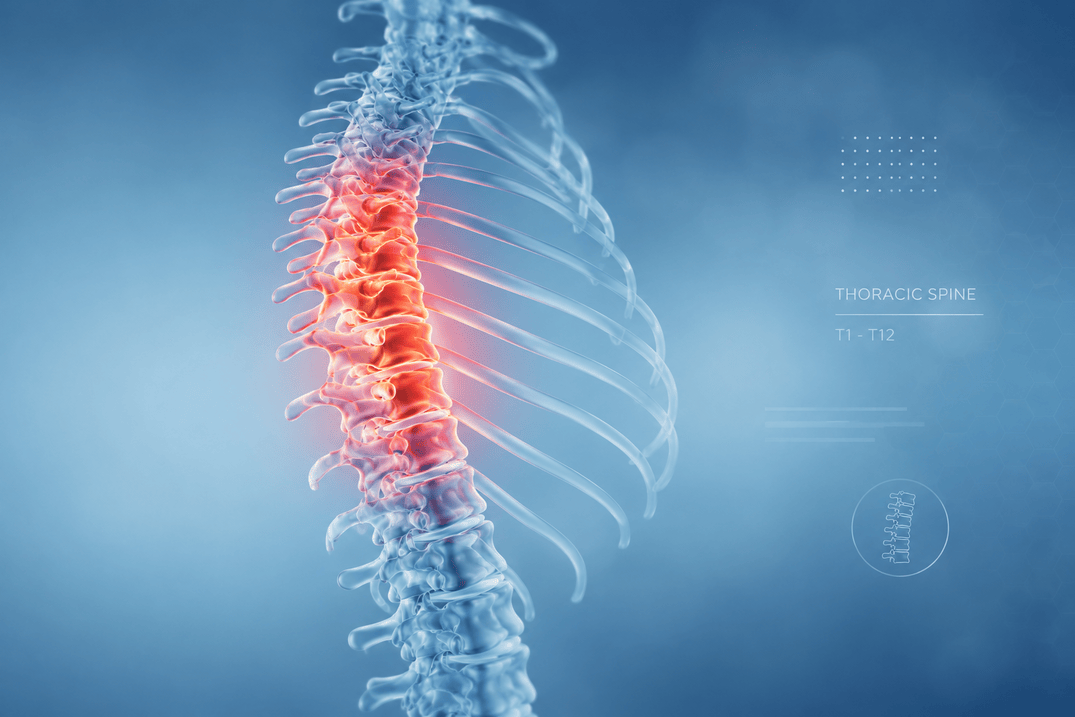
Spinal stiffness describes a feeling of reduced movement, tightness or resistance through part of the neck or back. It may be most noticeable in the morning, after prolonged sitting or driving, or when returning to activity after a pain episode. Stiffness can relate to joint sensitivity, protective muscle tension, reduced movement variety or lower activity tolerance. It may also occur with inflammatory or neurological conditions, so the duration, timing and associated symptoms are important.
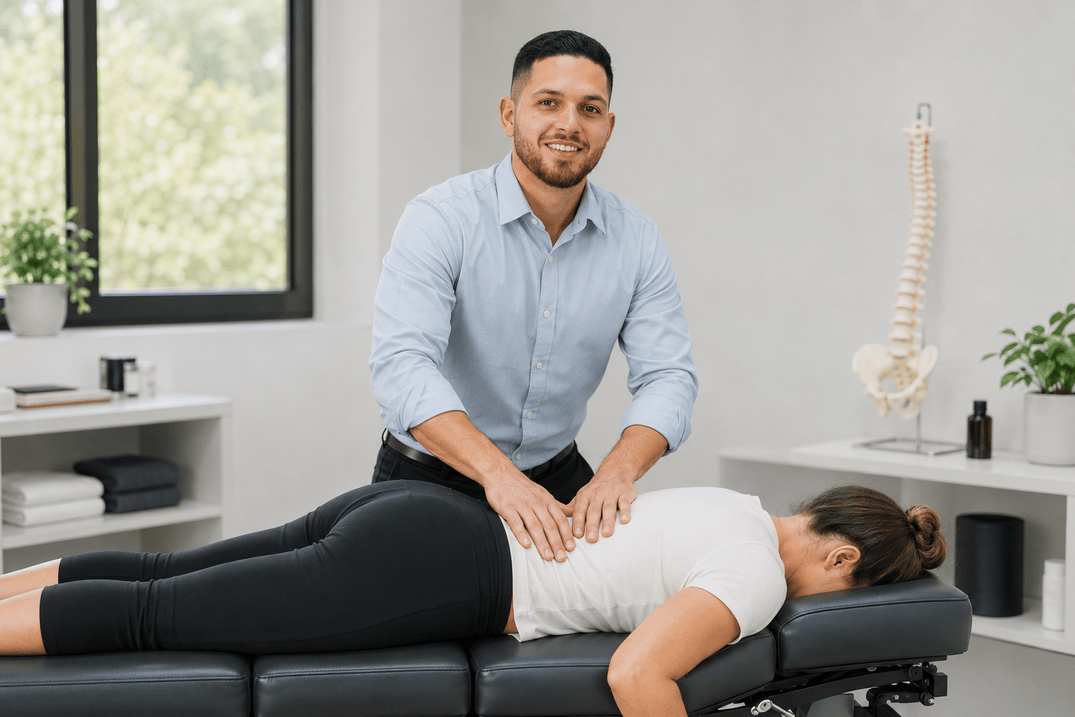
Spinal mobility and functional movement assessment

Targeted mobility and strengthening guidance
ROOT CAUSE
Where it often begins
Stiffness can reflect protective muscle tension, reduced joint movement or low tolerance to particular positions and loads rather than one single structural problem
Spinal Joints
Joint sensitivity or reduced movement can make bending and rotation feel restricted, particularly after rest or repeated static positions.
Muscle Guarding
Muscles may tighten protectively after pain, stress, overload or injury, creating a feeling of stiffness without necessarily indicating damage.
Reduced Movement Variety
Long periods in the same position can reduce short-term mobility and make the first few movements feel uncomfortable.
Strength & Load Capacity
When trunk and hip muscles fatigue quickly, the spine may feel guarded or stiff during work, exercise and everyday tasks.
WHAT TO WATCH FOR
Symptoms & common causes
Symptoms to look out for
- Difficulty bending, turning or looking over the shoulder
- Morning stiffness or stiffness after sitting and driving
- A tight, restricted or compressed feeling without a clear injury
- Movement that improves after warming up but returns later
- Reduced confidence with exercise, lifting or normal daily tasks
Common causes
- Long periods of sitting, driving or low daily movement
- A recent pain episode, strain or change in activity
- Muscle tension, fatigue or protective guarding
- Reduced strength or mobility after inactivity
- Age-related joint changes that may or may not be symptomatic
- Inflammatory, neurological or other medical conditions requiring assessment
TREATMENT
How we may support it
At Spine & Strength Chiropractic, Craigieburn, the goal is to understand why movement feels restricted and build comfortable, useful movement rather than force flexibility
- Gentle joint or soft-tissue care where clinically appropriate
- Mobility exercises matched to the stiff region and symptom response
- Strength work to improve control through available range
- Advice on movement breaks, pacing and activity progression
- Referral for medical review when the stiffness pattern suggests another condition

SHOULD YOU GET ASSESSED?
Signs you may benefit from an assessment
- Stiffness is persistent, worsening or significantly limits daily activity
- Morning stiffness lasts a long time or improves mainly with movement
- There is pain at night, fever, fatigue or unexplained weight loss
- Stiffness follows trauma or is associated with balance changes
- There is numbness, tingling, weakness or altered bladder or bowel control
Persistent stiffness is worth assessing
Seek urgent care for new loss of movement or feeling, bladder or bowel changes, numbness around the groin, severe trauma or sudden neurological symptoms. Medical review is also important for prolonged morning stiffness, fever, unexplained weight loss, severe night pain or steadily worsening symptoms.
YOUR JURNEY
Our 4-step care plan
Your care plan is based on where stiffness occurs, how long it lasts, what improves it and whether pain or neurological symptoms are also present.
Consultation
We discuss the timing of stiffness, activity levels, previous injuries, general health and the movements you want to improve.
Physical Assessment
We assess spinal, hip and shoulder movement, strength, balance, neurological signs and symptom response to activity
Findings & Explanation
We explain likely contributors and identify patterns that may require GP review, imaging or another referral.
Personalised Care Plan
Your plan may include hands-on care, mobility, strengthening, pacing and practical movement strategies for daily life.
FAQ
Frequently asked questions
Why is my back stiff in the morning?
Stiffness after rest can occur with reduced movement, muscle guarding or joint sensitivity. Longer-lasting morning stiffness can also be associated with inflammatory conditions and should be discussed with a clinician.
Does stiffness mean my spine is damaged?
Not necessarily. Stiffness is a symptom, not a diagnosis, and can occur without serious structural damage. The wider symptom pattern helps guide assessment.
Should I stretch a stiff spine every day?
Gentle mobility may help, but forcing painful range is not always useful. Strength, movement variety and load management may also need attention.
Is it better to rest or keep moving?
Comfortable movement is often helpful, while prolonged inactivity can increase stiffness. The appropriate amount depends on your symptoms and any underlying condition.
When should spinal stiffness be medically assessed?
Seek assessment when stiffness is persistent, worsening, follows trauma, lasts a long time each morning or occurs with fever, night pain, weakness or numbness.
Book a spinal stiffness assessment in Craigieburn
Visit Spine & Strength Chiropractic in Craigieburn to discuss your stiffness, movement goals and suitable next steps.