Lower Back Pain
Lower back pain can affect sitting, lifting, sleep and everyday movement. At Spine & Strength Chiropractic in Craigieburn, we assess how your symptoms, movement and daily demands fit together before discussing a personalised care plan.
Typical Recovery
Varies by cause, duration and individual factors
Affected Area
Lower back, pelvis and sometimes the leg
Common In
Desk workers, parents, drivers and tradespeople
OVERVIEW
Understanding lower back pain
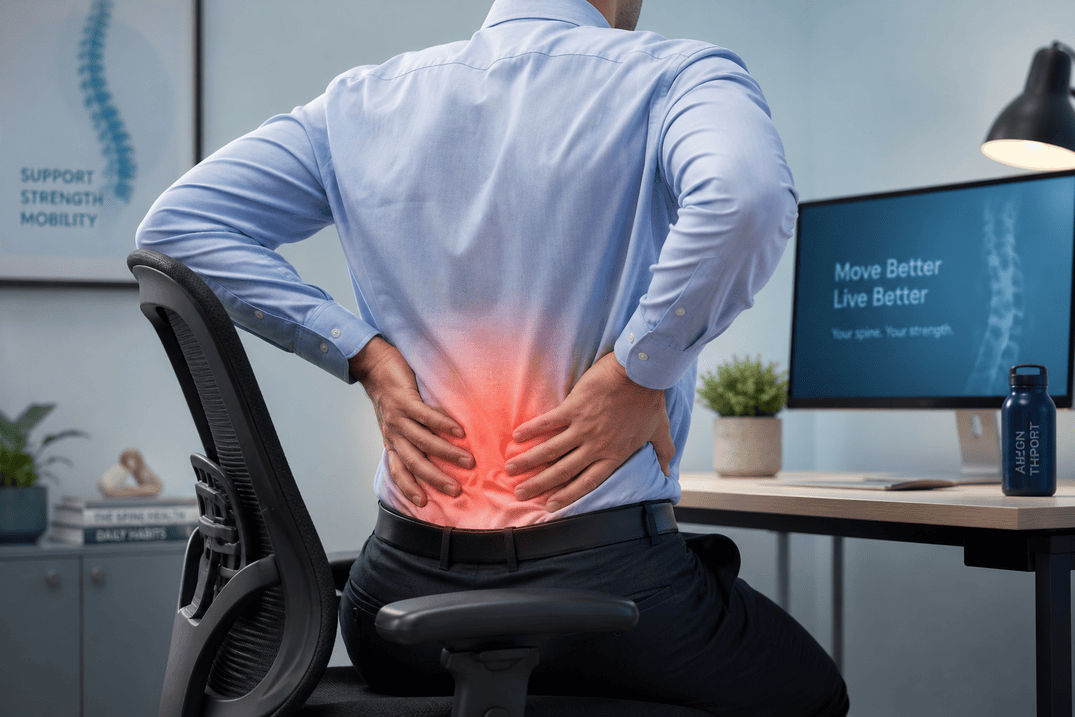
Lower back pain is felt in the lumbar region below the ribs. It may begin suddenly after lifting, twisting or an awkward movement, or develop gradually with prolonged sitting, repeated loading or a change in activity. Symptoms can involve muscles, joints, ligaments, discs or nearby nerves, and the pattern is different for each person. A careful assessment helps identify likely contributors, screen for warning signs and determine whether conservative care or referral may be appropriate.
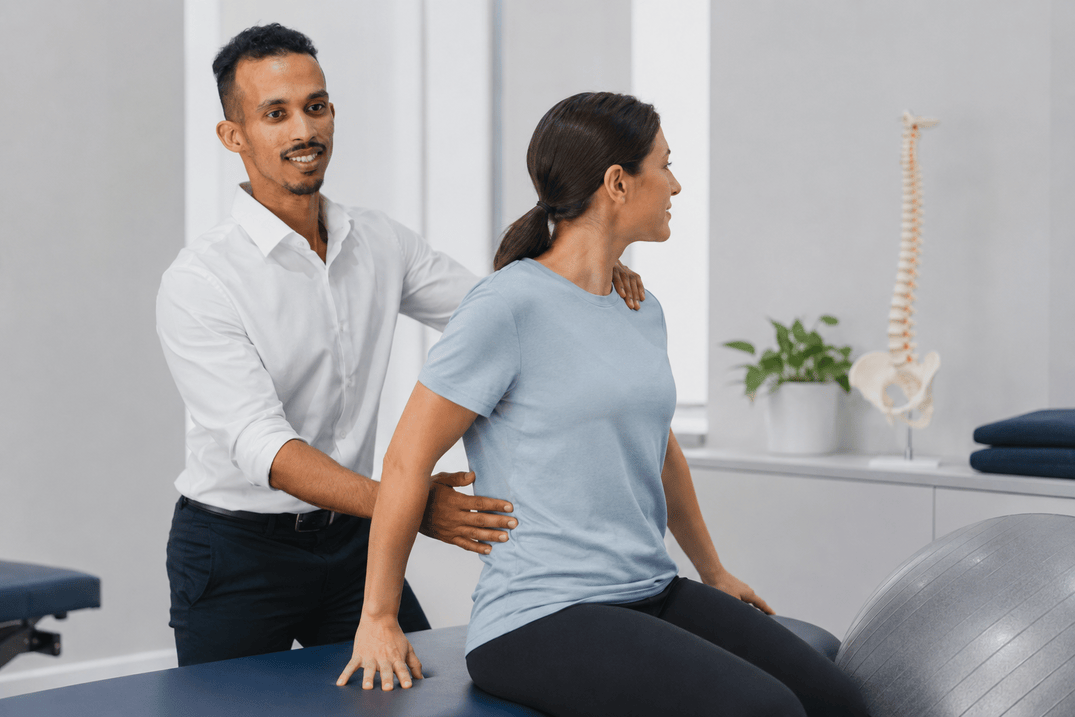
Lower back movement and neurological assessment
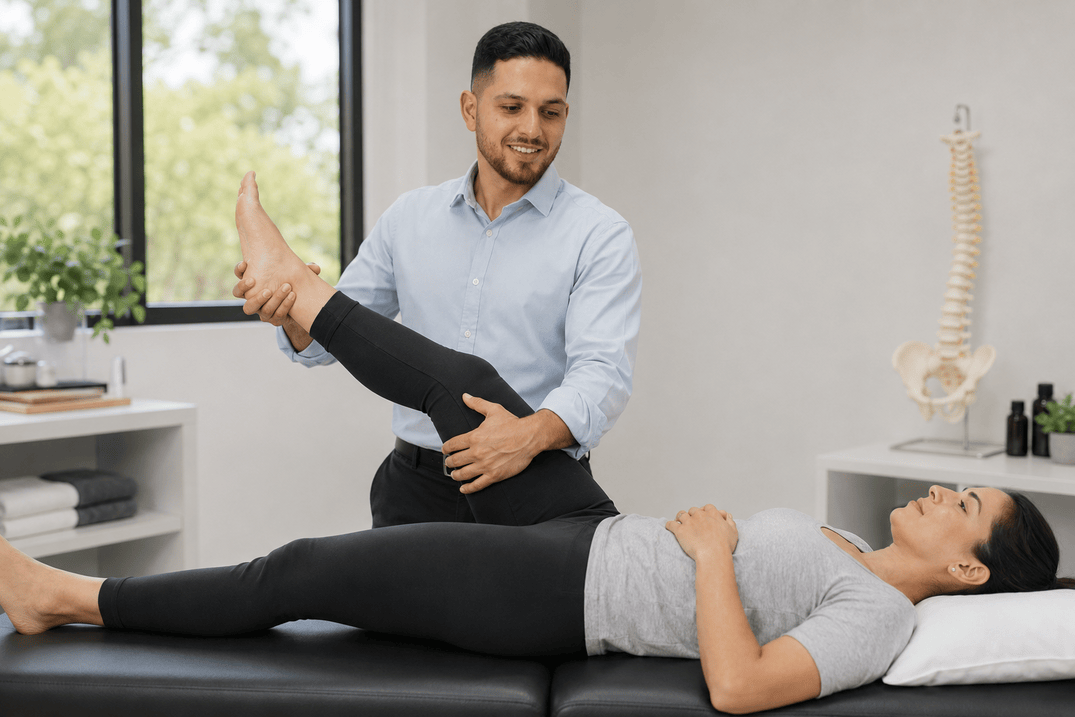
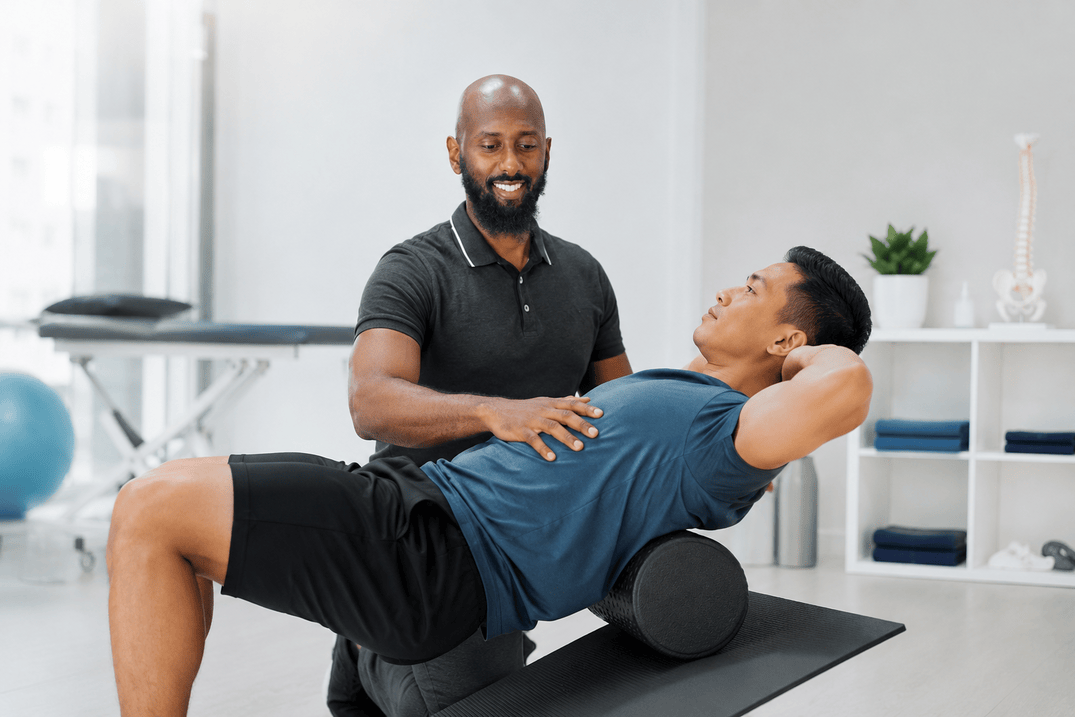
Personalised hands-on care and rehabilitation guidance
ROOT CAUSE
Where it often begins
Lower back symptoms rarely come from one factor alone. Spinal tissues, hip movement, trunk capacity, workload and recovery can all influence how the area responds.
Lumbar Muscles & Ligaments
Sudden lifting, twisting or repeated effort may overload the tissues that support and move the lower back.
Spinal Joints
The small joints between the vertebrae can become sensitive when movement is restricted, repeated or loaded beyond current tolerance.
Discs & Nearby Nerves
Disc or nerve irritation may contribute to local pain or symptoms into the buttock or leg, although scan findings do not always explain pain.
Hips, Pelvis & Trunk Support
Hip mobility, pelvic control and trunk endurance influence how load is shared during sitting, bending, lifting and exercise.
WHAT TO WATCH FOR
Symptoms & common causes
Symptoms to look out for
- Dull ache, sharp pain or muscle spasm in the lower back
- Stiffness or difficulty bending, turning or standing upright
- Pain that increases after prolonged sitting, driving or repeated lifting
- Discomfort spreading into the buttock, hip or leg
- Reduced confidence with work, exercise, sleep or everyday movement
Common causes
- A sudden increase in lifting, training or physical workload
- Long periods of sitting, driving or working in one position
- Awkward bending, twisting or lifting under load
- Reduced strength, mobility or activity tolerance after inactivity
- A previous episode that has not fully regained capacity
- Less commonly, a disc, in
TREATMENT
How we may support it
At Spine & Strength Chiropractic, Craigieburn, care is selected from your history, examination findings, goals and clinical suitability – not from a one-size-fits-all protocol.
- Gentle manual or chiropractic techniques where clinically appropriate
- Mobility exercises for the lower back, hips and surrounding joints
- Progressive strengthening to improve trunk, hip and lifting capacity
- Practical advice for sitting, sleep, work and everyday activity
- A graded return to exercise or physical work based on symptom response
SHOULD YOU GET ASSESSED?
Signs you may benefit from an assessment
- Pain is severe, worsening or limiting normal daily activities
- Symptoms have not improved after a reasonable period of selfmanagement
- Pain repeatedly returns with sitting, bending, lifting or exercise
- There is tingling, numbness or weakness in the leg
- You are unsure whether the symptoms may be muscular, joint, disc or nerve-related
Know when medical care is urgent
Call 000 for new loss of bladder or bowel control, numbness around the groin or saddle area, or sudden loss of movement or feeling. Seek prompt medical advice for fever, unexplained weight loss, significant trauma, severe unrelenting night pain or rapidly increasing weakness.
YOUR JURNEY
Our 4-step care plan
Your care pathway is shaped by your symptom pattern, examination findings and the activities you need to return to safely and confidently.
Consultation
We discuss when the pain began, what changes it, previous episodes, work demands, exercise and your goals.
Physical Assessment
We assess movement, strength, neurological signs and how your back responds to relevant positions and tasks.
Findings & Explanation
We explain likely contributors in clear language and discuss whether imaging or medical referral may be useful.
Personalised Care Plan
Your plan may combine hands-on care, exercise, activity modification and staged progression toward work or training
FAQ
Frequently asked questions
How long does lower back pain take to settle?
Timeframes vary. Many uncomplicated episodes improve over several weeks, while persistent or recurring symptoms may need a longer, graded rehabilitation approach.
Should I rest until the pain is completely gone?
Prolonged bed rest is usually not recommended. Comfortable movement and modified activity are often preferable, but the right level depends on your symptoms and assessment.
Does lower back pain mean I have a damaged disc?
Not necessarily. Lower back pain can involve several tissues, and disc changes seen on imaging may be present without causing symptoms.
Do I need an X-ray or MRI for lower back pain?
Not everyone needs imaging. Your practitioner can assess whether your history or examination suggests that an X-ray, MRI or medical referral would add useful information.
Can lower back pain keep returning?
It can. Improving strength, movement confidence and load tolerance may help reduce recurrence risk, although no treatment can guarantee that pain will not return.
Book a lower back pain assessment in Craigieburn
Visit Spine & Strength Chiropractic in Craigieburn for an assessment focused on your symptoms, movement and individual
goals.