Disc-Related Concerns
Disc-related concerns can involve local back pain, movement sensitivity or symptoms into a leg. At Spine & Strength Chiropractic in Craigieburn, we assess the clinical pattern and neurological findings rather than relying on scan wording alone.
Typical Recovery
Varies widely by symptoms and severity
Affected Area
Lower back and sometimes buttock, leg or foot
Common In
Adults with sitting, bending or lifting symptoms
OVERVIEW
Understanding disc-related concerns
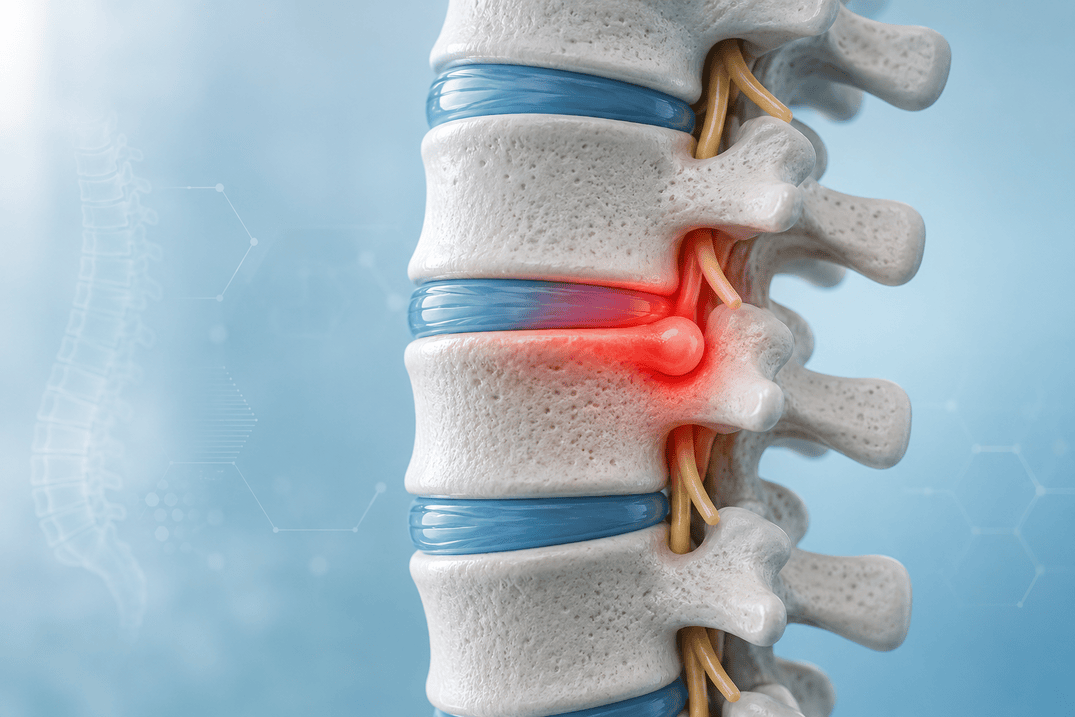
Spinal discs sit between the vertebrae and help distribute load while allowing movement. Terms such as disc bulge, protrusion or herniation describe structural findings, but these findings do not always cause pain. When a disc or nearby nerve is irritated, symptoms may include local back pain, pain into the buttock or leg, tingling, numbness or weakness. A clinical assessment considers your symptoms, neurological findings, function and any available imaging together.
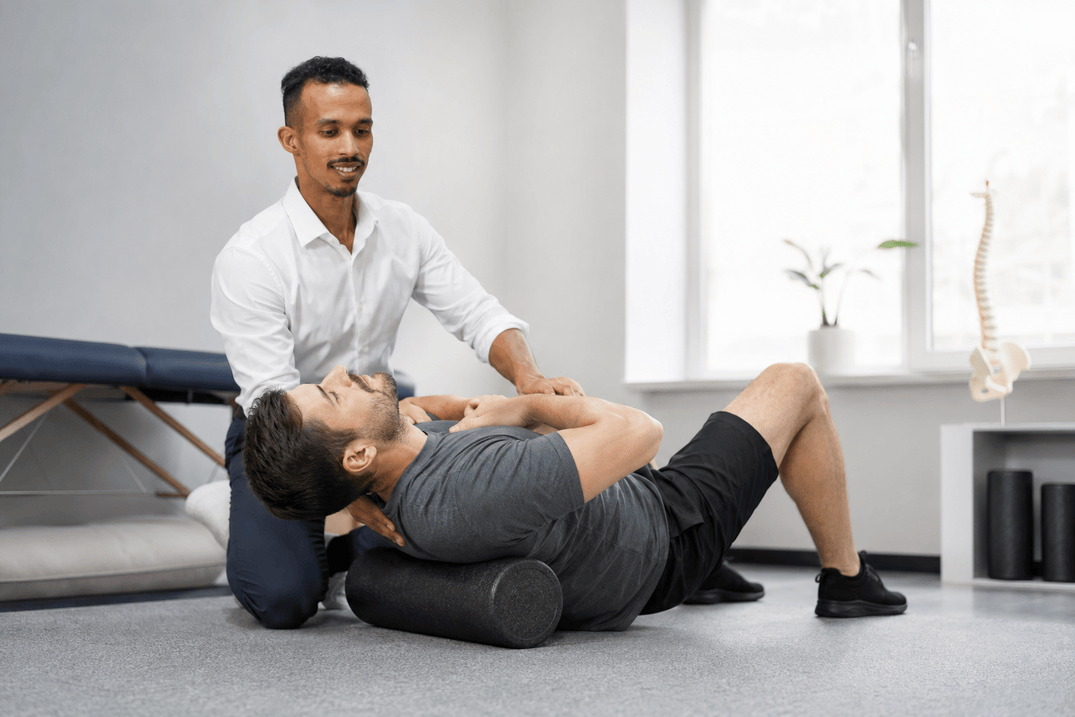
Hands-on assessment and treatment
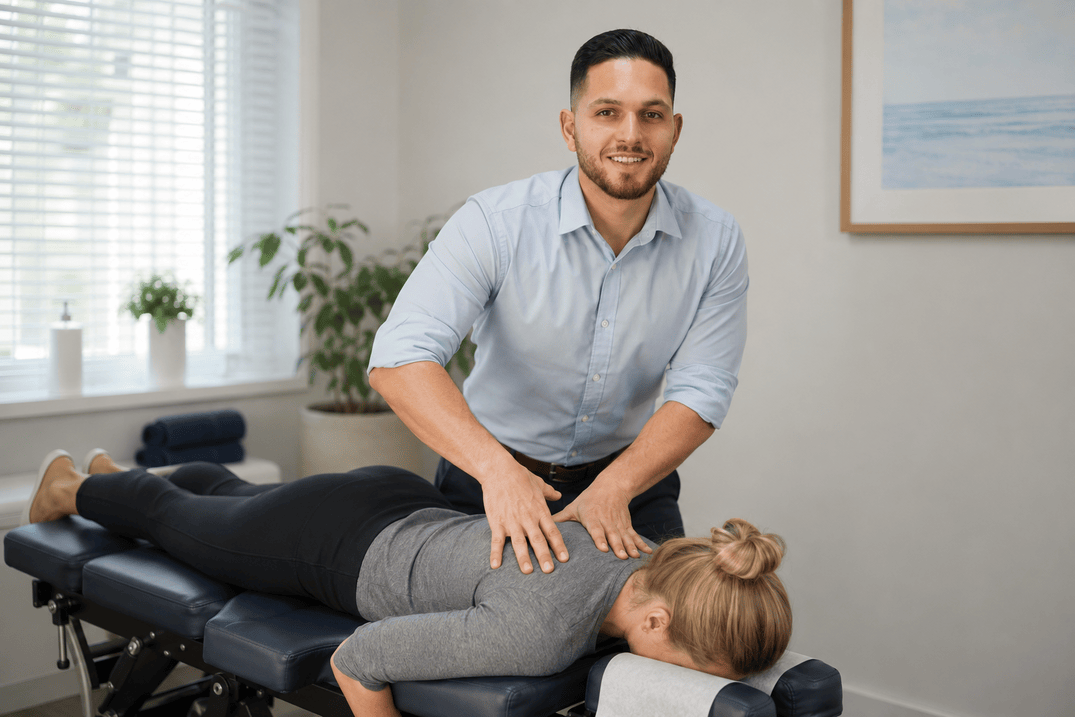
Hands-on assessment and treatment
ROOT CAUSE
Where it often begins
Disc-related presentations vary considerably. Symptoms may be influenced by the disc, nearby nerves, surrounding tissues and the way the spine is currently loaded.
Intervertebral Disc
A disc may become sensitive after repeated or sudden loading, producing local pain that changes with posture and movement.
Nerve Root
Irritation near a spinal nerve may contribute to pain, tingling, numbness or weakness travelling into the buttock or leg.
Movement & Load Tolerance
Sitting, bending, lifting, coughing or sneezing may aggravate symptoms when current tissue or nerve tolerance is reduced.
Hips & Trunk Support
Hip mobility, trunk strength and movement strategy can influence how load is shared during daily tasks and rehabilitation.
WHAT TO WATCH FOR
Symptoms & common causes
Symptoms to look out for
- Lower back pain that changes with sitting, bending or lifting
- Pain spreading into the buttock, thigh, calf or foot
- Tingling, numbness or altered sensation in a leg
- Weakness or reduced confidence with walking, stairs or lifting
- Symptoms that increase with coughing, sneezing or certain spinal positions
Common causes
- A sudden or repeated increase in spinal loading
- Frequent bending, lifting or prolonged sitting
- A previous episode with reduced strength or movement confidence
- Age-related disc changes that may be present with or without symptoms
- Irritation or compression affecting a nearby nerve root
- Less commonly, infection, fracture, tumour or another medical condition
TREATMENT
How we may support it
At Spine & Strength Chiropractic, Craigieburn, care is based on the clinical presentation. A scan finding alone does not determine which treatment is suitable.
- Education about symptoms, safe movement and expected variability
- Gentle manual care where appropriate and tolerated
- Directional movement or mobility exercises selected from assessment findings
- Progressive trunk, hip and functional strengthening
- Spinal decompression may be discussed when clinically appropriate, with referral when required
SHOULD YOU GET ASSESSED?
Signs you may benefit from an assessment
- Pain travels below the knee or occurs with tingling or numbness
- There is weakness, foot drop or difficulty walking normally
- Symptoms are worsening or significantly restricting daily activity
- Pain has not improved after a reasonable period of selfmanagement
- You have scan findings but are unsure whether they match your symptoms
Know the neurological warning signs
Call 000 for new bladder or bowel loss, numbness around the genital or saddle area, or sudden loss of movement or feeling. Seek urgent medical assessment for rapidly worsening weakness, fever, major trauma, severe unrelenting night pain or symptoms affecting both legs.
YOUR JURNEY
Our 4-step care plan
We combine symptom history, neurological screening and movement testing to determine whether conservative care may be suitable or referral is needed.
Consultation
We discuss pain location, leg symptoms, sitting and lifting tolerance, scan reports, medical history and your functional goals.
Physical Assessment
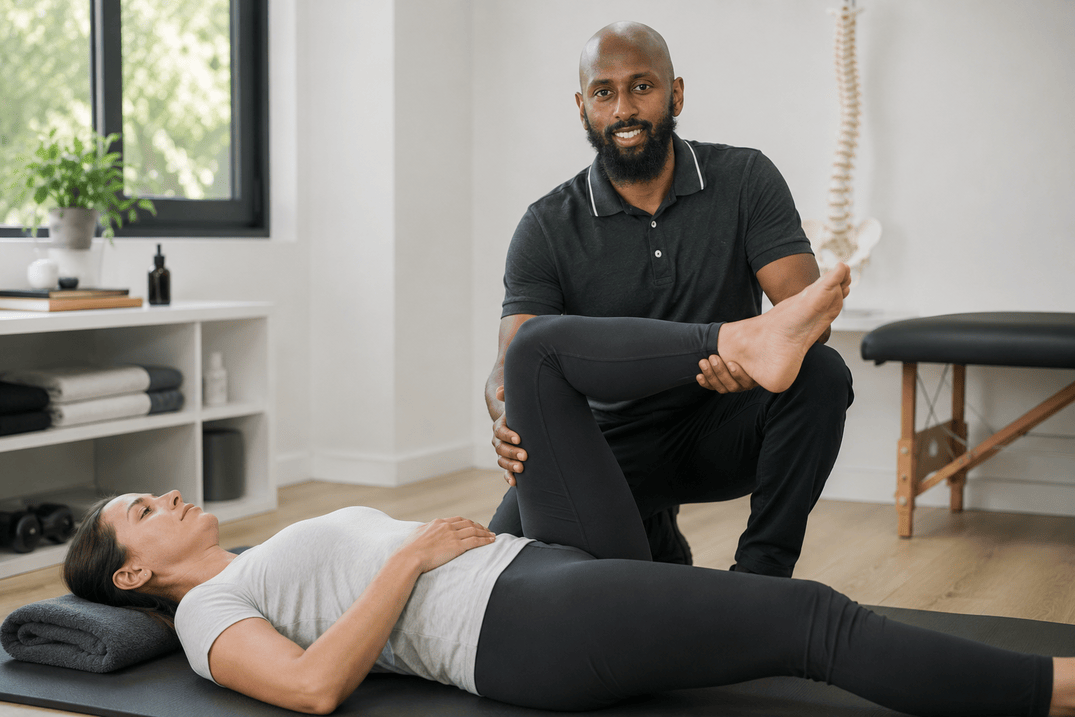
We assess spinal movement, strength, reflexes, sensation, nerve sensitivity and the tasks that reproduce or ease symptoms.
Diagnosis & Explanation
We explain how the clinical pattern relates to available imaging and identify signs that need medical referral.
Personalised Treatment Plan
Your plan may include education, graded movement, strengthening, hands-on care and selected technology where clinically suitable.
FAQ
Frequently asked questions
Is a disc bulge the same as a slipped disc?
“Slipped disc” is an informal term. Disc bulge, protrusion and herniation describe different imaging appearances; their significance depends on symptoms and clinical findings.
Does a disc finding on MRI always cause pain?
No. Disc changes are common and can be present without symptoms. Assessment helps determine whether a scan finding matches your pain and neurological signs.
Do disc-related concerns always need surgery?
No. Many presentations are managed without surgery, but severe or progressive neurological symptoms may require urgent specialist assessment.
Can I exercise with a disc-related concern?
Exercise can often be modified and gradually progressed. The safest starting point depends on pain behaviour, strength, sensation and neurological findings.
When is a disc-related problem an emergency?
New bladder or bowel loss, saddle numbness, sudden major weakness or loss of movement or feeling requires emergency care. Rapidly worsening leg weakness also needs urgent assessment
Book a disc-related back pain assessment in Craigieburn
Visit Spine & Strength Chiropractic in Craigieburn for a clinical assessment of your symptoms, neurological signs and
relevant imaging.