Neck Pain
Neck pain can affect turning, sleep, driving, desk work and exercise. At Spine & Strength Chiropractic in Craigieburn, we assess movement, strength, neurological signs and the activities that influence your symptoms before recommending care.
Typical Recovery
Varies by cause, severity, duration and workload
Affected Area
Neck, base of skull, shoulders and sometimes arm
Common In
Desk workers, drivers, active adults and people after strain
OVERVIEW
Understanding neck pain
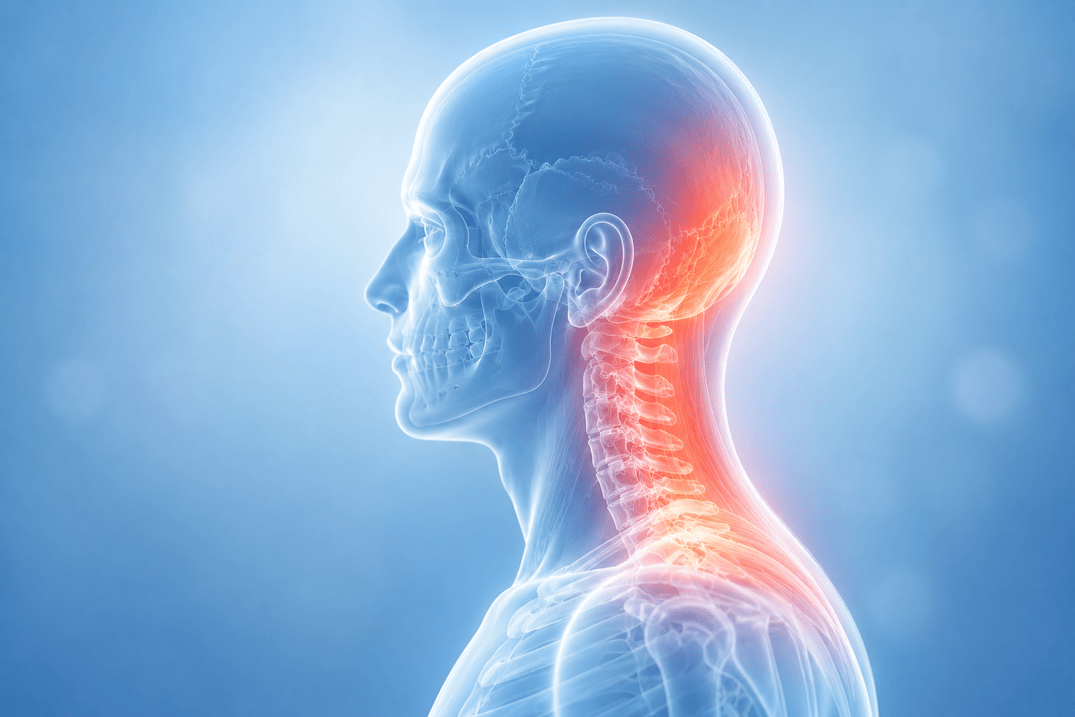
The neck is a mobile part of the spine that supports the head and works closely with the shoulders and upper back. Symptoms may begin after a sudden strain or accident, or build gradually with sustained positions, repeated loading, reduced activity or age-related change. Pain can involve muscles, joints, discs or nearby nerves. When symptoms spread into the arm or occur with weakness, numbness or balance changes, neurological assessment becomes especially important.

Neck movement and neurological assessment

Targeted care and progressive rehabilitation
POSSIBLE CONTRIBUTORS
What may be involved
Neck pain rarely depends on posture alone. Joint sensitivity, muscle capacity, nerve irritation, workload and recovery can all shape the presentation.
Cervical Joints
The small joints of the neck may become sensitive after strain, prolonged positioning or repeated movement, making rotation or extension uncomfortable.
Muscles & Connective Tissues
Muscles supporting the head and shoulder girdle can become sore or guarded after overload, stress, injury or reduced movement variety.
Discs & Nerve Roots
Irritation near a cervical disc or nerve may contribute to arm pain, tingling, numbness or weakness and requires careful neurological screening.
Upper Back & Shoulder Support
Thoracic movement and shoulder-blade strength influence how the neck manages sustained work, reaching, lifting and exercise
WHAT TO WATCH FOR
Symptoms & common causes
Symptoms to look out for
- Ache, sharp pain or stiffness in the neck
- Difficulty turning the head or looking up and down
- Pain extending toward the shoulder blade or upper arm
- Headache or tenderness near the base of the skull
- Tingling, numbness, weakness or altered grip in the arm or hand
Common causes
- Sudden strain, awkward movement or sporting load
- Long periods of desk work, driving or phone use without movement breaks
- A rapid increase in gym, work or lifting demand
- Whiplash or another traumatic event
- Disc, joint or nerve irritation
- Less commonly, infection, inflammatory disease or another medical condition
TREATMENT
How we may support it
At Spine & Strength Chiropractic, Craigieburn, care is matched to your examination findings, symptom irritability, health history and functional goals.
- Gentle manual or chiropractic techniques where clinically appropriate
- Neck and upper-back mobility exercises matched to symptom response
- Progressive strengthening for the neck, shoulders and upper back
- Advice on workstations, driving, sleep, lifting and movement breaks
- Referral for imaging, GP review or specialist care when the presentation requires it

SHOULD YOU GET ASSESSED?
Signs you may benefit from an assessment
- Pain is persistent, worsening or restricting normal movement
- Symptoms spread into the shoulder, arm or hand
- There is numbness, tingling, weakness or reduced grip strength
- Pain began after a car accident, fall or significant impact
- Headaches, dizziness or balance changes occur with the neck symptoms
Some neck symptoms need urgent assessment
Call 000 for sudden weakness, facial droop, difficulty speaking, collapse or severe symptoms after major trauma. Seek urgent medical care for neck pain with fever and severe headache, progressive arm or leg weakness, new balance difficulty, loss of coordination, unexplained weight loss or severe unrelenting night pain.
YOUR JURNEY
Our 4-step care plan
Your plan is based on the source and behaviour of symptoms, neurological findings and the movements you need for work, family life and exercise.
Consultation
We discuss onset, aggravating positions, injury history, headaches, arm symptoms, work demands and your goals.
Physical Assessment
We assess neck and upper-back movement, strength, reflexes, sensation, nerve sensitivity and relevant shoulder function.
Findings & Explanation
We explain likely contributors in plain language and discuss whether imaging or another health professional is needed.
Personalised Care Plan
Your plan may combine hands-on care, exercise, activity modification and gradual progression back to normal tasks.
FAQ
Frequently asked questions
How long does neck pain take to improve?
Timeframes vary. A recent uncomplicated strain may improve within weeks, while persistent, recurrent or nerve-related symptoms may require a longer and more gradual plan.
Is my posture causing neck pain?
Posture can influence symptoms, but there is rarely one perfect position. Movement variety, workload, strength, sleep and stress may be equally important.
What does tingling in my arm mean?
Tingling can come from a nerve in the neck, the shoulder region or farther down the arm. An assessment can check strength, sensation and reflexes and determine whether medical referral is needed.
Do I need an X-ray or MRI for neck pain?
Not everyone needs imaging. It is generally considered when history or examination findings suggest trauma, neurological involvement or another condition that would change management.
Should I keep moving my neck when it hurts?
Gentle comfortable movement is often useful, but forcing sharp or radiating pain is not. The appropriate range and load should be based on your presentation.
Book a neck pain assessment in Craigieburn
Visit Spine & Strength Chiropractic in Craigieburn for a personalised assessment and clear guidance on appropriate care, exercise or referral.