Glute Pain
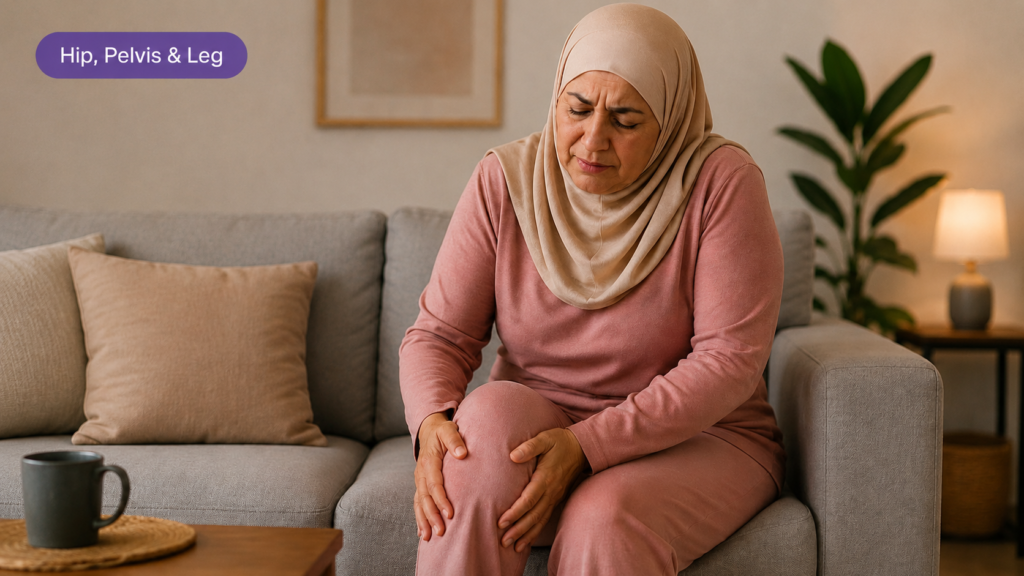
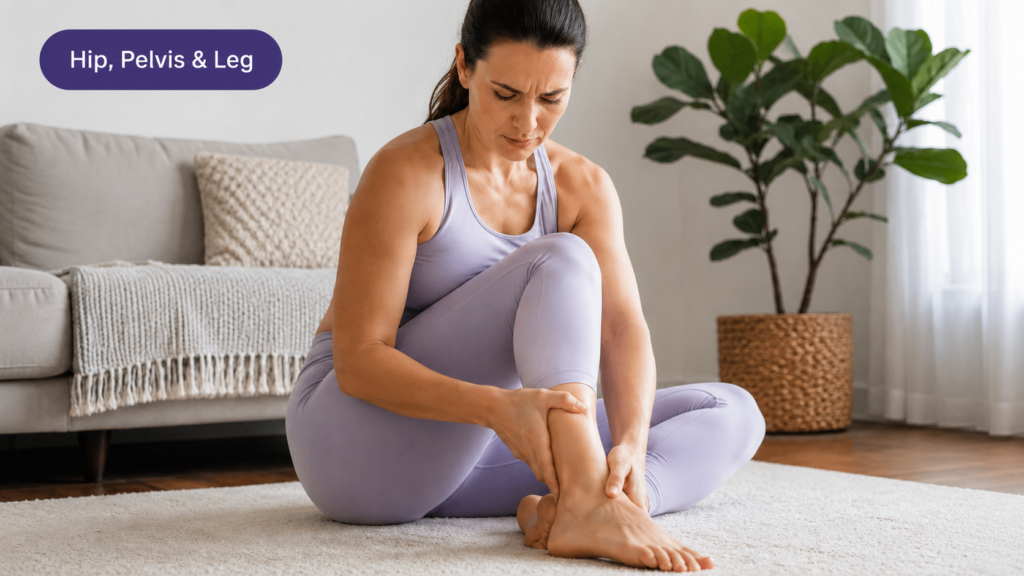
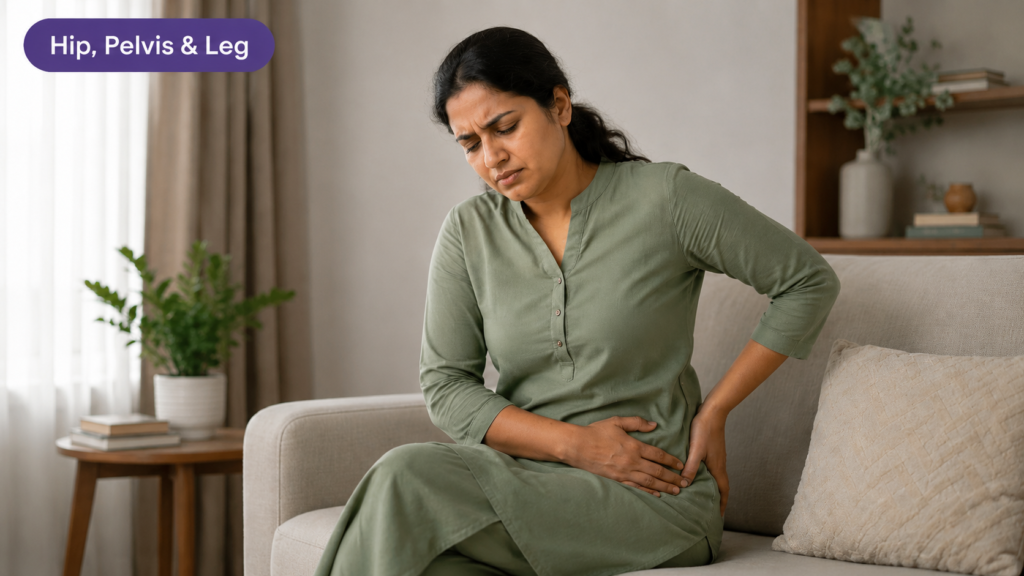
Glute pain may feel like a deep ache, burning sensation, sharp catch or tenderness in the buttock. At Spine & Strength Chiropractic in Craigieburn, we assess the gluteal muscles, hip, pelvis, lower back and nerves to determine where symptoms may be coming from.
Typical Recovery
Varies by source, duration and nerve involvement
Affected Area
Buttock, outer hip and sometimes the leg
Common In
Runners, lifters, drivers and people sitting for long periods
OVERVIEW
Understanding glute pain
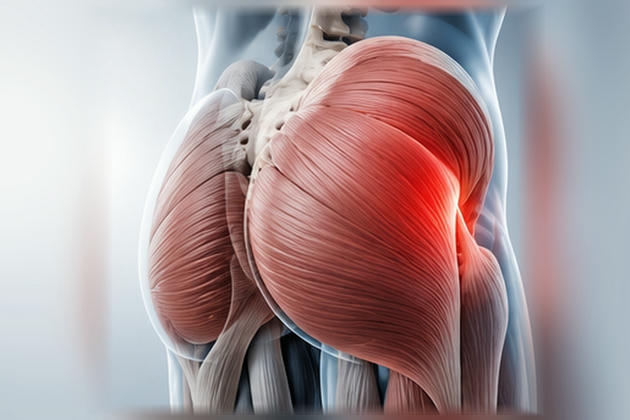
The gluteal region contains large muscles and tendons that help control the hip and pelvis during walking, stairs, running and lifting. Pain may come from local muscle or tendon overload, deeper hip structures, the sacroiliac region, or symptoms referred from the lower back. Burning, tingling or pain travelling down the leg raises the possibility of nerve involvement. Because the painful spot does not always identify the source, assessment should compare hip, spinal and neurological findings with the movements and positions that change the symptoms
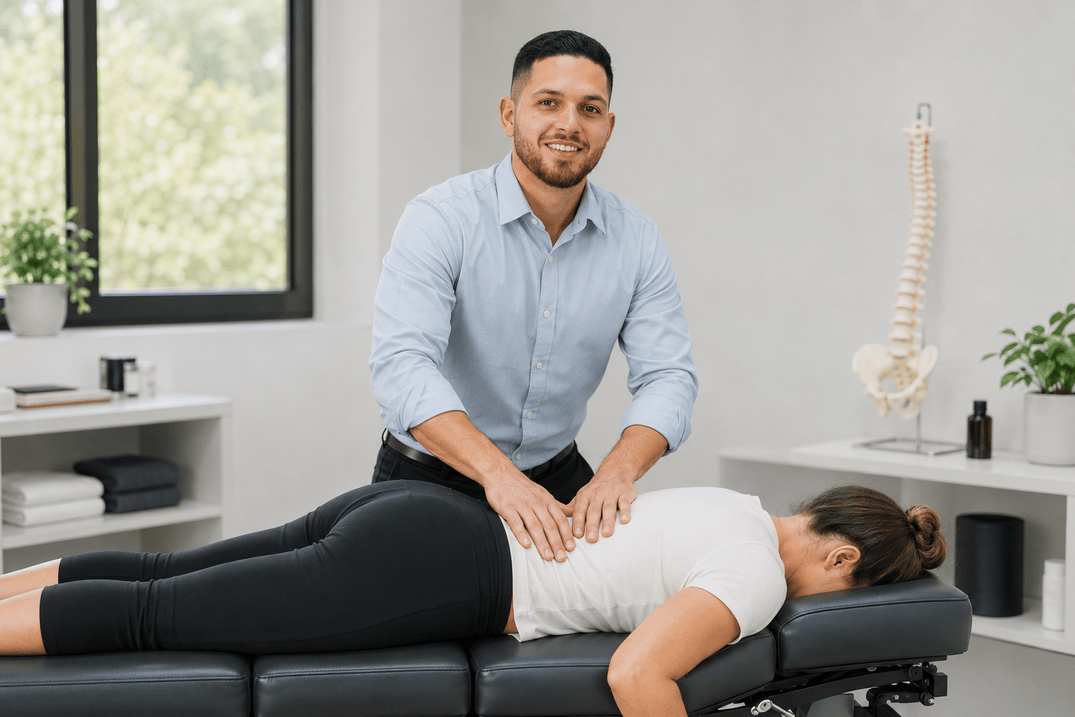
Hip, gluteal and neurological assessment
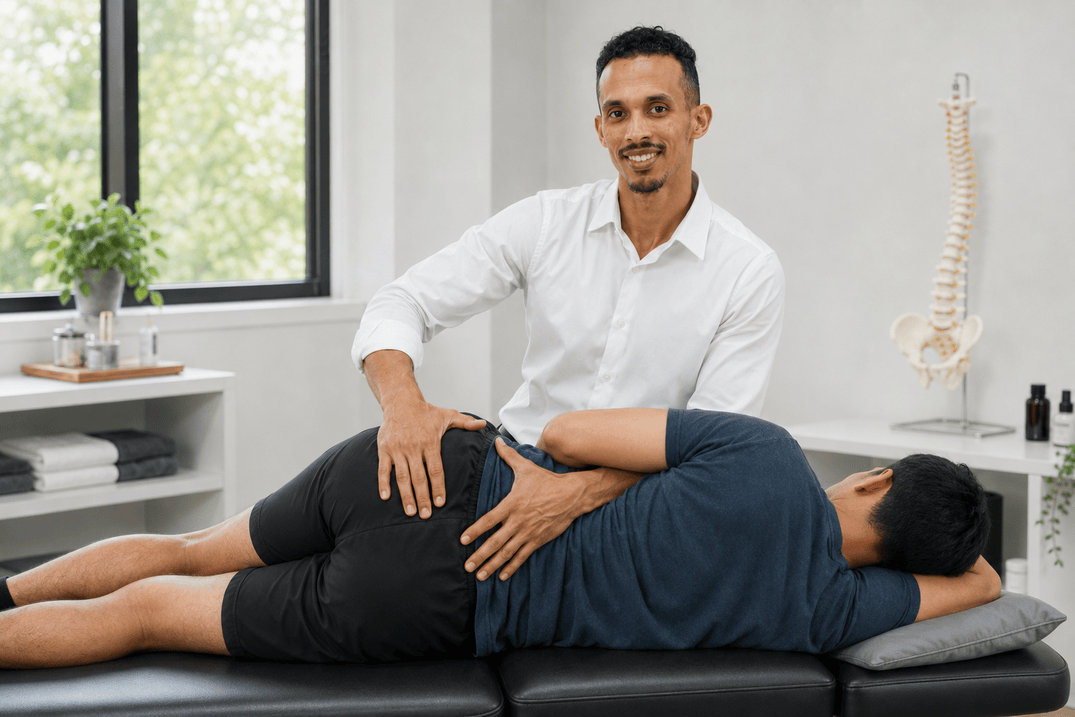
Progressive glute and lower-limb rehabilitation
POSSIBLE CONTRIBUTORS
Where glute pain may begin
Local tissues, the hip and the lower back share load and can produce overlapping symptoms. Nerve-related signs need particular attention.
Gluteal Muscles & Tendons
Sudden sprinting, hills, lifting or changes in training may overload the gluteal muscles or the tendons at the side of the hip.
Lower Back & Sciatic Nerve
Lumbar disc, joint or nerve irritation can refer pain into the buttock and sometimes farther down the leg.
Deep Hip Muscles
Muscles deep in the buttock may become sensitive after prolonged sitting, impact or repeated rotation, but similar symptoms can have other causes
Hip & Pelvic Control
Hip mobility, gluteal strength, balance and pelvic control influence how load is shared during walking, stairs and single-leg exercise.
WHAT TO WATCH FOR
Symptoms & common causes
Symptoms to look out for
- Deep ache, burning or sharp pain in one buttock
- Tenderness around the outer hip or gluteal muscles
- Pain with sitting, rising from a chair, stairs or running
- Symptoms travelling into the back of the thigh or lower leg
- Tingling, numbness or weakness occurring with buttock pain
Common causes
- A rapid increase in running, hills, gym or lifting load
- Gluteal muscle strain or tendon overload
- Prolonged sitting, driving or pressure on the buttock
- Lower-back referred pain or sciatic-nerve irritation
- Hip or sacroiliac-region sensitivity
- Less commonly, fracture, infection, vascular or other medical conditions
TREATMENT
How we may support it
At Spine & Strength Chiropractic, Craigieburn, support is matched to whether the main pattern appears local to the gluteal tissues or related to the hip, pelvis, lower back or nerves.
- Hip, pelvic or lower-back care where clinically appropriate
- Mobility strategies selected for the region and symptom response
- Progressive gluteal, trunk and lower-limb strengthening
- Sitting, walking, lifting and training-load guidance
- Referral for GP review, imaging or specialist assessment when neurological or non-musculoskeletal signs are present
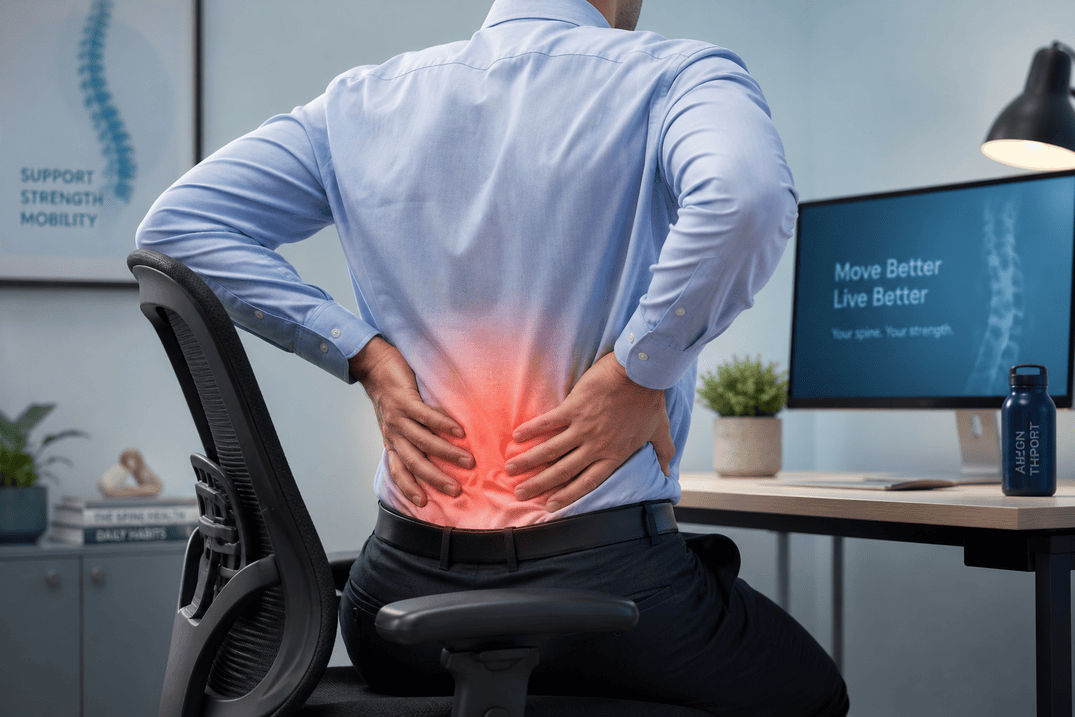
SHOULD YOU GET ASSESSED?
Signs you may benefit from an assessment
- Pain persists, recurs or progressively limits sitting and walking
- Symptoms travel below the knee or include tingling or numbness
- There is weakness, foot drop or a change in walking pattern
- Pain follows a fall, direct impact or sudden sporting injury
- Symptoms occur with fever, unexplained swelling or feeling unwell
Know the neurological warning signs
Call 000 for new loss of bladder or bowel control, numbness around the saddle or genital area, or sudden loss of movement or feeling in a leg. Seek urgent medical assessment for rapidly worsening weakness, a cold or pale limb, major trauma, fever, unexplained swelling or severe unrelenting pain.
YOUR JURNEY
Our 4-step care plan
We compare the painful area with hip, pelvic, spinal and nerve findings to identify the most relevant pattern and safest next step.
Consultation
We discuss pain location, sitting and walking tolerance, leg symptoms, injury history, training changes and goals.
Physical Assessment
We assess hip and spinal movement, gluteal strength, nerve sensitivity, reflexes, sensation and functional tasks.
Findings & Explanation
We explain whether symptoms appear muscular, tendon, joint or nerve related and whether referral is needed.
Personalised Care Plan
Your plan may combine hands-on care, exercise, activity modification and graded return to sitting, walking or training.
FAQ
Frequently asked questions
Is glute pain the same as sciatica?
No. Sciatica refers to nerve-related symptoms, usually travelling from the lower back into the leg. Glute pain can also come from local muscles, tendons, the hip or pelvis.
Why does my buttock hurt when I sit?
Sitting can load local tissues or increase symptoms referred from the lower back. The presence of leg pain, tingling or weakness helps guide the assessment.
Could it be piriformis syndrome?
Deep gluteal symptoms are sometimes labelled piriformis syndrome, but several conditions can feel similar. A broader hip, spine and neurological assessment is important before using that label.
Should I stretch a painful glute?
Gentle movement may help some presentations, while strong stretching can aggravate sensitive tendons or nerves. The appropriate approach depends on the source and response.
When is glute pain urgent?
Urgent care is needed for bladder or bowel changes, saddle numbness, rapidly worsening leg weakness, a cold or pale limb, major trauma, fever or severe unexplained pain.
Book a glute pain assessment in Craigieburn
Visit Spine & Strength Chiropractic in Craigieburn for a combined glute, hip, lower-back and nerve assessment with care or referral matched to your findings.