Ankle Discomfort
Ankle discomfort can affect walking, balance, stairs and return to sport. At Spine & Strength Chiropractic in Craigieburn, we assess the ankle, foot, calf and connected knee and hip to guide appropriate rehabilitation, care or referral.
Typical Recovery
Varies by injury, tissue and activity demand
Affected Area
Front, sides or back of the ankle and foot
Common In
Walkers, runners, athletes and people after a sprain
OVERVIEW
Understanding ankle discomfort
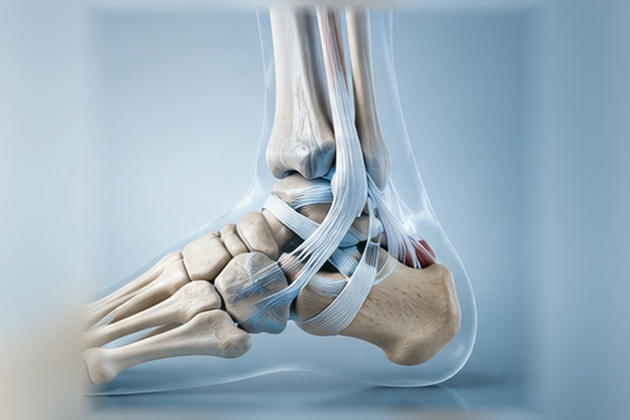
The ankle is formed by several bones supported by ligaments, tendons and muscles that control balance and foot movement. Symptoms may follow a roll, fall or sporting injury, or build gradually with running, walking, footwear changes or reduced mobility after an old sprain. Pain can come from ligaments, tendons, the joint, bone or nearby nerves. Swelling, deformity, inability to bear weight, fever or changes in foot colour and sensation require prompt medical assessment

Ankle, foot and lower-limb assessment

Balance, mobility and calf-strength rehabilitation
POSSIBLE CONTRIBUTORS
Where ankle discomfort may begin
The ankle works with the foot and calf to absorb load and maintain balance. Previous injury, mobility and whole-leg control can influence symptoms.
Ankle Ligaments
Rolling or twisting the ankle can strain the supporting ligaments and lead to swelling, tenderness or a sense of instability.
Tendons & Calf Muscles
Achilles, peroneal and other tendons may become sensitive after changes in running, hills, jumping or walking volume.
Tendons & Calf Muscles
Joint irritation, arthritis, impingement, fracture or stress injury may cause pain, stiffness or difficulty bearing weight.
Foot, Knee & Balance Control
Foot mechanics, calf capacity, balance and hip or knee control influence how load travels through the ankle during movement.
WHAT TO WATCH FOR
Symptoms & common causes
Symptoms to look out for
- Pain or tenderness at the front, sides or back of the ankle
- Swelling, bruising, stiffness or reduced range of motion
- Pain with walking, stairs, running or uneven ground
- A feeling that the ankle is unstable or may give way
- Reduced balance, calf strength or confidence after a sprain
Common causes
- An ankle roll, fall, landing or sporting injury
- A rapid increase in running, walking or jumping load
- Incomplete rehabilitation after a previous sprain
- Tendon overload or reduced calf capacity
- Joint stiffness, arthritis or impingement
- Fracture, infection, gout or another medical condition
TREATMENT
How we may support it
At Spine & Strength Chiropractic, Craigieburn, recommendations are based on injury history, swelling, weight-bearing ability, stability, movement and the activities you need to resume.
- Ankle, foot or connected lower-limb care where clinically appropriate
- Mobility exercises matched to the injured or sensitive tissues
- Progressive calf, foot and lower-limb strengthening
- Balance, proprioception and return-to-running or sport drills
- Referral for X-ray, ultrasound, GP or specialist assessment when indicated
SHOULD YOU GET ASSESSED?
Signs you may benefit from an assessment
- Pain or swelling is not improving or is limiting normal walking
- You cannot comfortably bear weight after an injury
- The ankle repeatedly gives way or remains unstable
- There is marked bruising, deformity or bone tenderness
- The joint is hot, red or swollen or symptoms occur with fever
Know when ankle symptoms need urgent care
Seek urgent medical assessment for severe pain, visible deformity, suspected fracture or dislocation, inability to bear weight, or a hot red swollen ankle with fever. Call 000 if the foot or leg becomes suddenly cold, pale, numb, weak or paralysed, as this may indicate loss of blood flow.
YOUR JURNEY
Our 4-step care plan
We assess the ankle locally and in the context of foot, calf, knee and hip function to guide a safe progression back to walking or sport.
Consultation
We discuss the injury or onset, swelling, weight-bearing, previous sprains, footwear, activity and goals.
Physical Assessment
We assess ankle and foot movement, tenderness, strength, stability, balance and relevant lower-limb function.
Findings & Explanation
We explain the likely tissue pattern and whether imaging, medical review or temporary support may be appropriate.
Personalised Care Plan
Your plan may include mobility, strengthening, balance work and a graded return to walking, running or sport.
FAQ
Frequently asked questions
How do I know whether my ankle is sprained or fractured?
Both can cause pain and swelling. Inability to bear weight, deformity or marked bone tenderness increases the need for prompt medical assessment and possible X-ray.
Should I keep walking after an ankle sprain?
Early comfortable movement may help many sprains, but weight-bearing should be guided by pain, swelling, stability and whether fracture has been excluded.
Why does my ankle still feel unstable months later?
Strength, balance and joint-position awareness can remain reduced after a sprain. A structured rehabilitation plan may help address these deficits.
Do I need a brace or support?
Some injuries benefit from short-term support, while others do not. The choice depends on injury severity, stability, activity and clinical findings.
When should ankle pain be checked urgently?
Seek urgent care for deformity, inability to bear weight, suspected fracture, a hot swollen joint with fever, or a foot that becomes cold, pale or numb.
Book an ankle assessment in Craigieburn
Visit Spine & Strength Chiropractic in Craigieburn for an ankle, foot and lower-limb assessment and a plan matched to
walking, work or sport.