Hip Pain
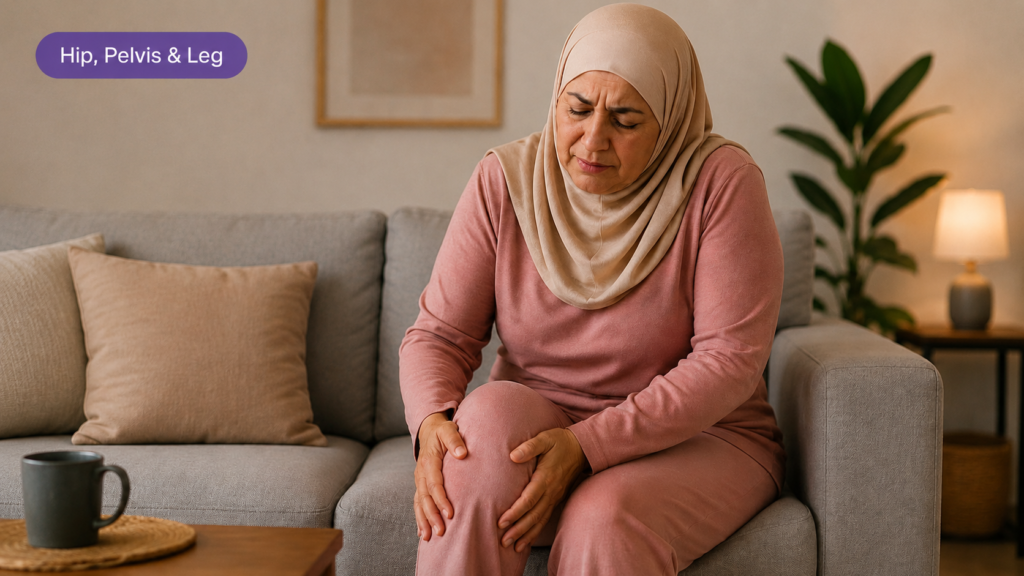
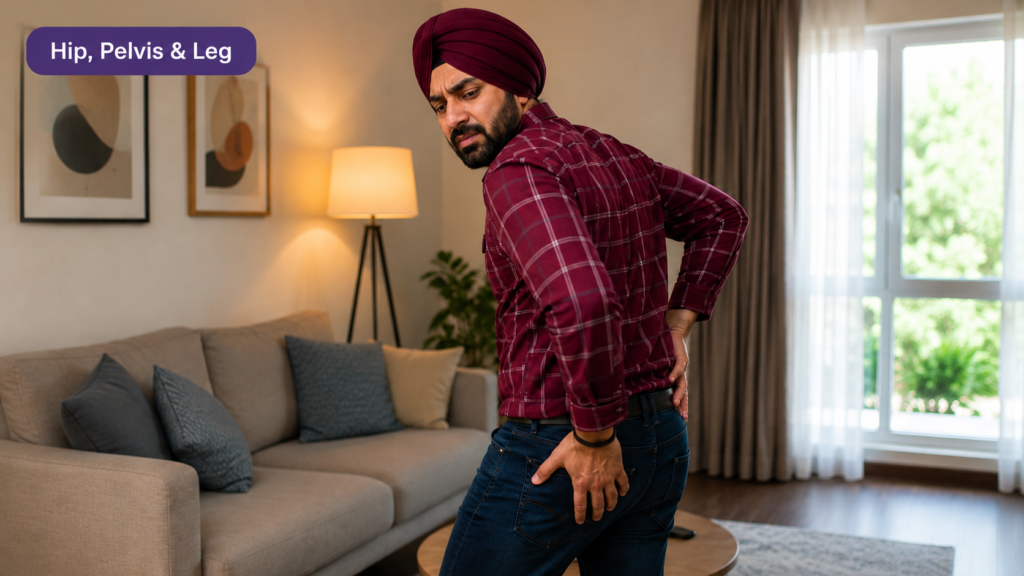
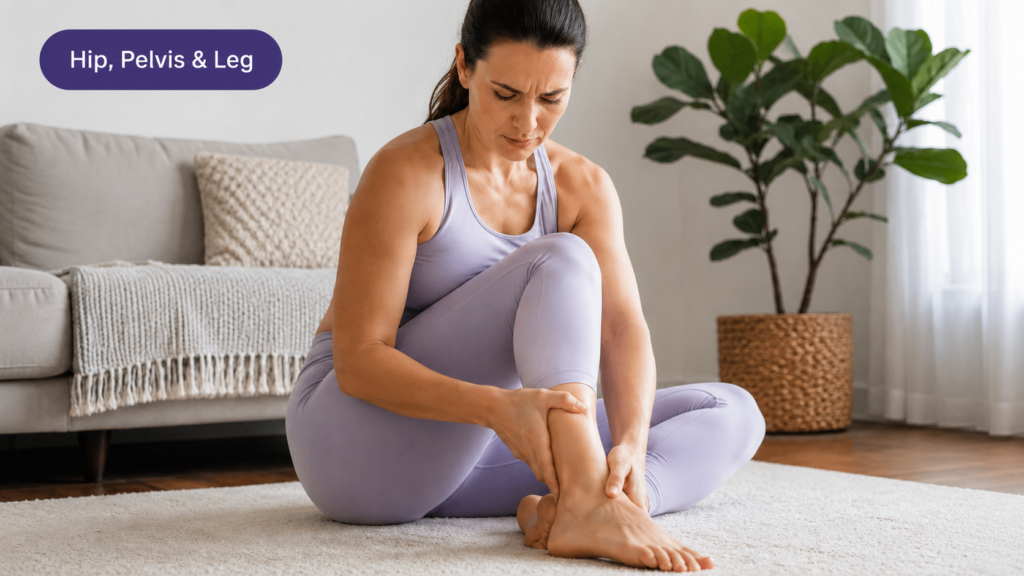
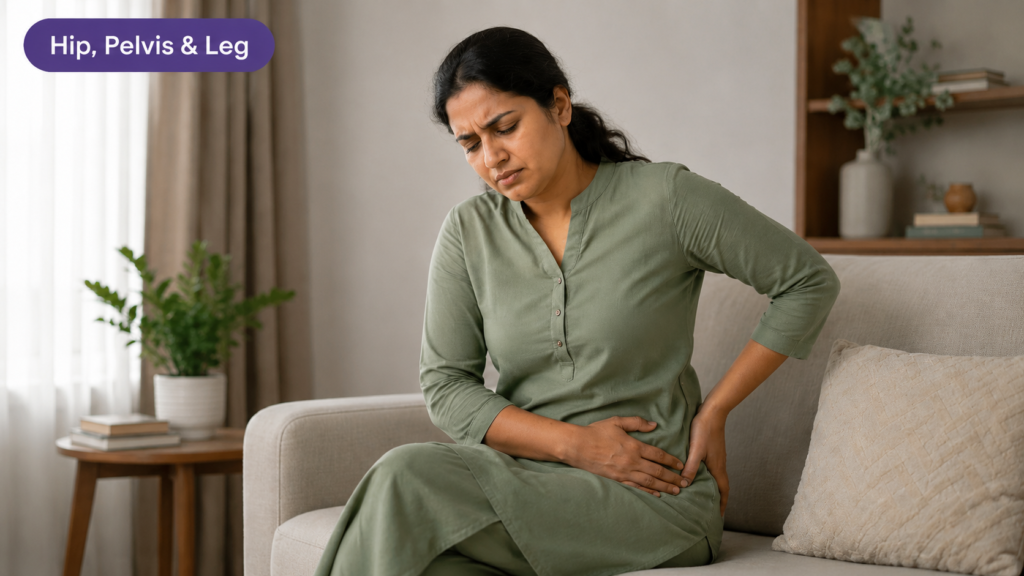
Hip pain can affect walking, stairs, sitting, sleep and exercise. At Spine & Strength Chiropractic in Craigieburn, we assess the hip, pelvis, lower back and lower-limb movement to identify likely contributors and determine whether care or referral is appropriate.
Typical Recovery
Varies by source, duration and activity demand
Affected Area
Groin, outer hip, buttock or upper thigh
Common In
Walkers, runners, desk workers and active adults
OVERVIEW
Understanding knee pain
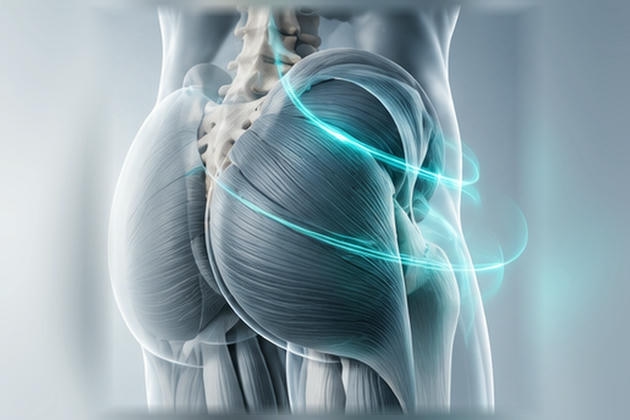
The hip is a deep ball-and-socket joint surrounded by muscles, tendons and bursae that help control standing and walking. Pain felt in the groin may be linked to the joint, while outer-hip or buttock pain can involve nearby tendons, muscles or referred symptoms from the lower back. Symptoms may build gradually or follow a fall, twist, training increase or long period of reduced activity. Because several areas can produce similar pain, assessment should consider movement, strength, walking pattern and relevant medical signs.
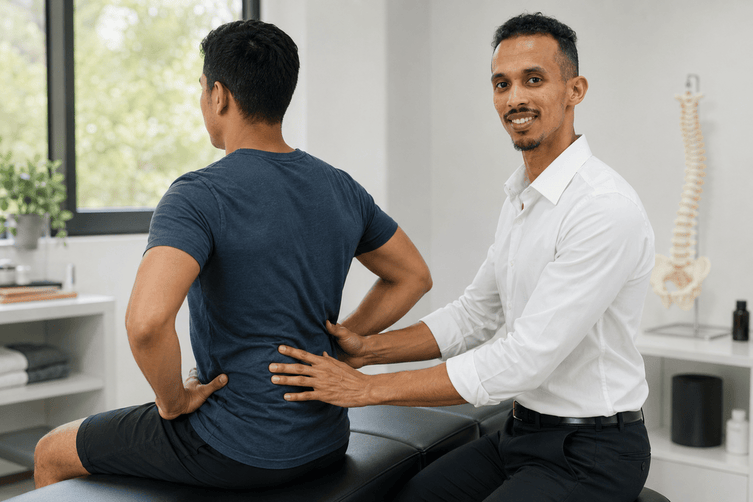
Hip, pelvic and walking assessment
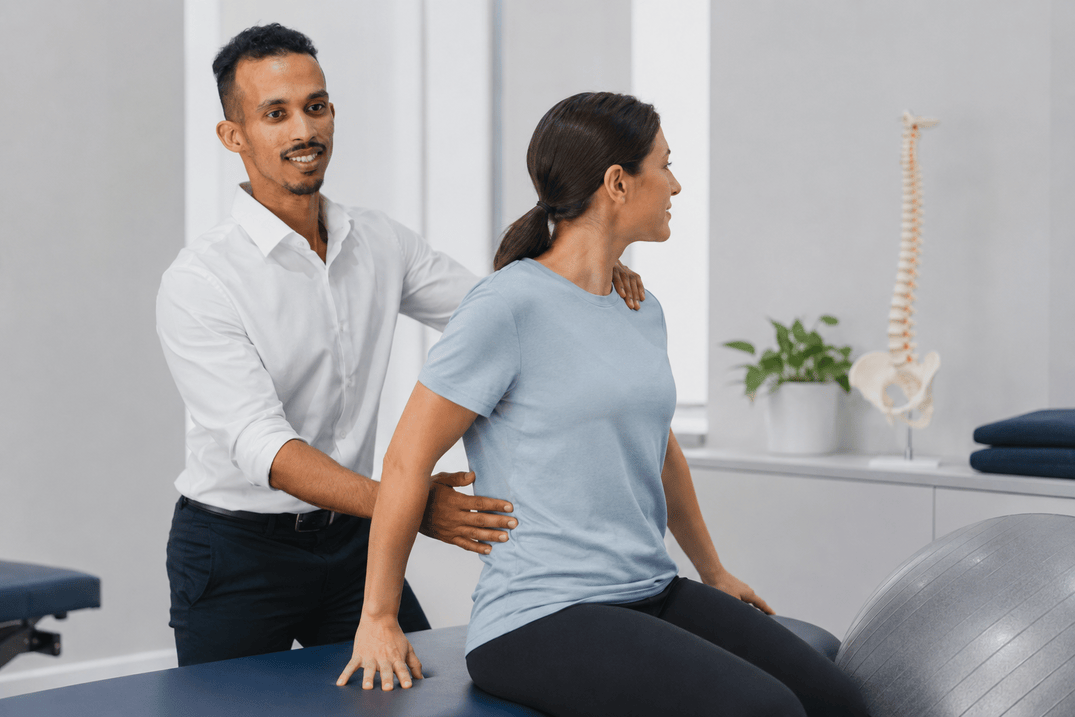
Progressive mobility and lower-body strengthening
POSSIBLE CONTRIBUTORS
Where symptoms may be coming from
Hip symptoms may arise locally or be referred from the lower back and pelvis. Load, movement capacity and recovery can all influence how the area responds.
Hip Joint & Capsule
Joint sensitivity or age-related change may contribute to groin pain, stiffness and reduced comfort with walking, stairs or putting on shoes.
Gluteal Tendons & Outer Hip
The tendons and tissues at the side of the hip may become sensitive with hills, running, prolonged standing or lying on one side.
Lower Back & Nerves
Lumbar joints, discs or nerves can refer discomfort toward the hip, buttock or thigh, sometimes with tingling, numbness or weakness.
Strength, Load & Walking
Changes in hip strength, balance, mobility or activity volume can alter how load is shared during walking, lifting and exercise.
WHAT TO WATCH FOR
Symptoms & common causes
Symptoms to look out for
- Ache, sharp pain or catching in the groin or hip
- Outer-hip tenderness or pain when lying on one side
- Stiffness after sitting or difficulty taking the first few steps
- Pain with stairs, squatting, running or getting in and out of a car
- Symptoms extending into the buttock, thigh or lower back
Common causes
- A sudden increase in walking, running, gym or work activity
- Hip-joint irritation, osteoarthritis or reduced mobility
- Gluteal tendon or other soft-tissue overload
- A fall, twist, impact or sporting injury
- Referred pain from the lower back, pelvis or nearby nerves
- Less commonly, fracture, infection, inflammatory disease or another medical condition
TREATMENT
How we may support it
At Spine & Strength Chiropractic, Craigieburn, care is based on examination findings, symptom irritability, health history and the activities you want to return to.
- Hip, pelvic and lower-back care where clinically appropriate
- Mobility exercises selected for the joint and symptom response
- Progressive strengthening for the hip, trunk and lower limb
- Walking, stair, lifting and training-load guidance
- Referral for GP review, imaging or specialist care when the presentation requires it
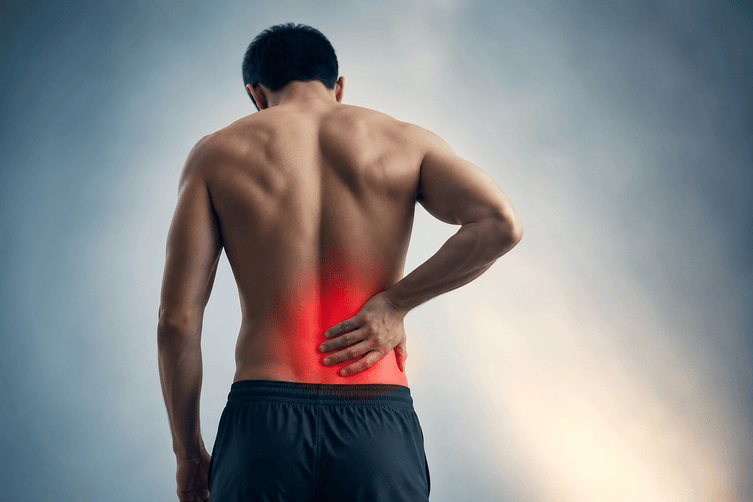
SHOULD YOU GET ASSESSED?
Signs you may benefit from an assessment
- Pain persists, worsens or repeatedly limits walking and stairs
- You are limping or cannot comfortably bear weight
- The hip catches, locks or has noticeably reduced movement
- Symptoms spread into the leg or occur with numbness or weakness
- Pain began after a fall, impact or sudden twisting injury
Some hip symptoms need urgent medical assessment
Seek urgent care after a fall or injury if you cannot move the hip or put weight through the leg, or if the limb looks shortened or deformed. Prompt medical review is also needed for a hot, red or swollen joint, fever, sudden severe pain, unexplained illness or rapidly worsening symptoms.
YOUR JURNEY
Our 4-step care plan
We assess the hip in context with the pelvis, lower back and the way the whole leg manages standing, walking and daily load.
Consultation
We discuss the pain location, onset, walking and sitting tolerance, injury history, activity changes and your goals.
Physical Assessment
We assess hip and lower-back movement, strength, balance, walking pattern and relevant neurological findings.
Findings & Explanation
We explain which area appears most relevant and whether imaging, GP review or another referral is appropriate.
Personalised Care Plan
Your plan may combine hands-on care, mobility, strengthening and graded return to walking, work or exercise.
FAQ
Frequently asked questions
Why do I feel hip pain in my groin?
The hip joint is deep and commonly refers pain toward the groin. Groin pain can also have muscular, abdominal or other causes, so the full symptom pattern should be assessed.
Can hip pain come from my lower back?
Yes. Lower-back joints, discs and nerves can refer symptoms toward the hip, buttock or thigh. Neurological testing helps determine whether the back may be involved.
Should I keep walking when my hip hurts?
Comfortable walking may be appropriate, but distance, speed and hills may need temporary modification. The right level depends on pain behaviour, strength and assessment findings.
Do I need an X-ray or MRI for hip pain?
Not everyone needs imaging. It may be considered after trauma, when weight-bearing is difficult, or when examination findings suggest that a scan would change management.
When should hip pain be checked promptly?
Arrange prompt assessment for sudden severe pain, inability to bear weight, fever, a hot swollen joint, significant trauma or rapidly worsening symptoms.
Book a hip pain assessment in Craigieburn
Visit Spine & Strength Chiropractic in Craigieburn for a combined hip, pelvis and lower-back assessment and clear guidance on suitable care or referral.