Knee Pain
Knee pain can affect walking, stairs, squatting, work and sport. At Spine & Strength Chiropractic in Craigieburn, we assess the knee together with hip, ankle, strength and movement factors before recommending rehabilitation, care or referral.
Typical Recovery
Varies by injury, condition and activity demand
Affected Area
Front, sides, back or inside the knee
Common In
Walkers, runners, tradespeople and active adults
OVERVIEW
Understanding knee pain
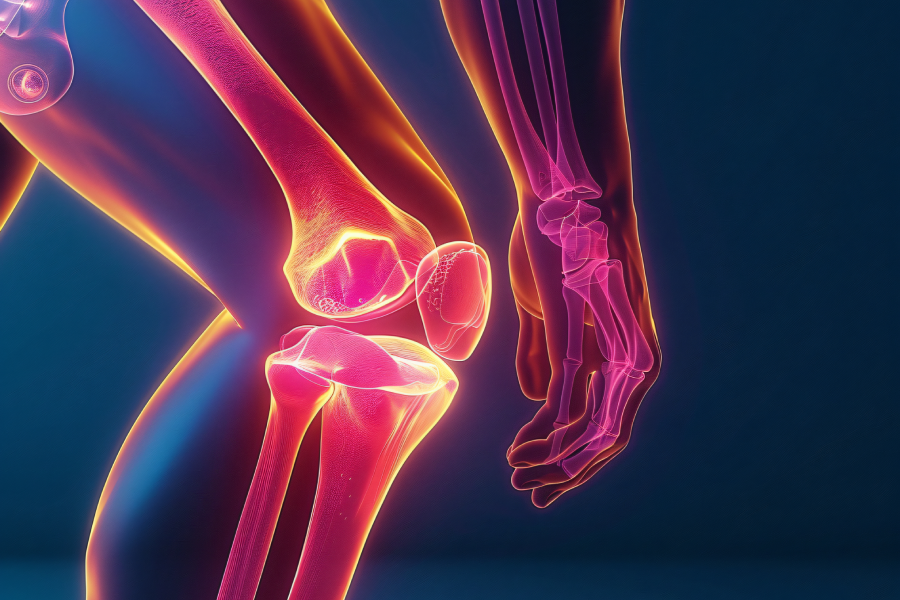
The knee is a weight-bearing joint formed by bone, cartilage, ligaments, tendons and the kneecap. Pain may begin after a twist, impact or sudden training increase, or develop gradually with stairs, running, kneeling or repeated work tasks. Symptoms can come from the kneecap region, tendons, meniscus, ligaments, arthritis or referred pain from the hip and lower back. Swelling, locking, instability and inability to bear weight help determine whether prompt medical or imaging review is needed.
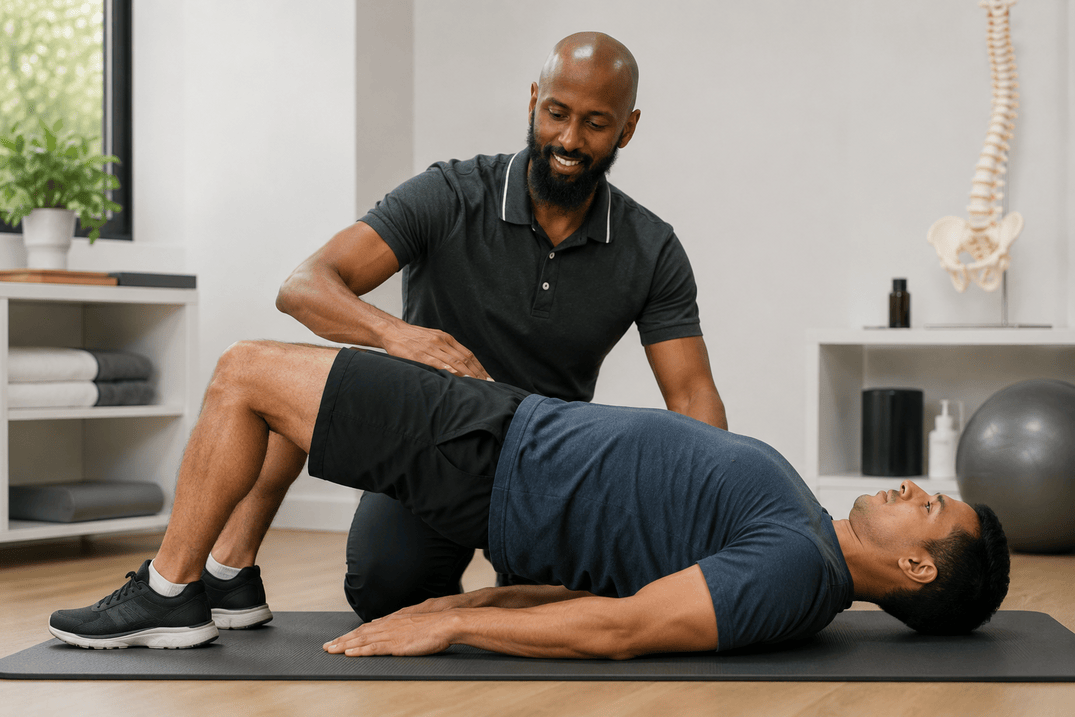
Knee, hip and ankle movement assessment
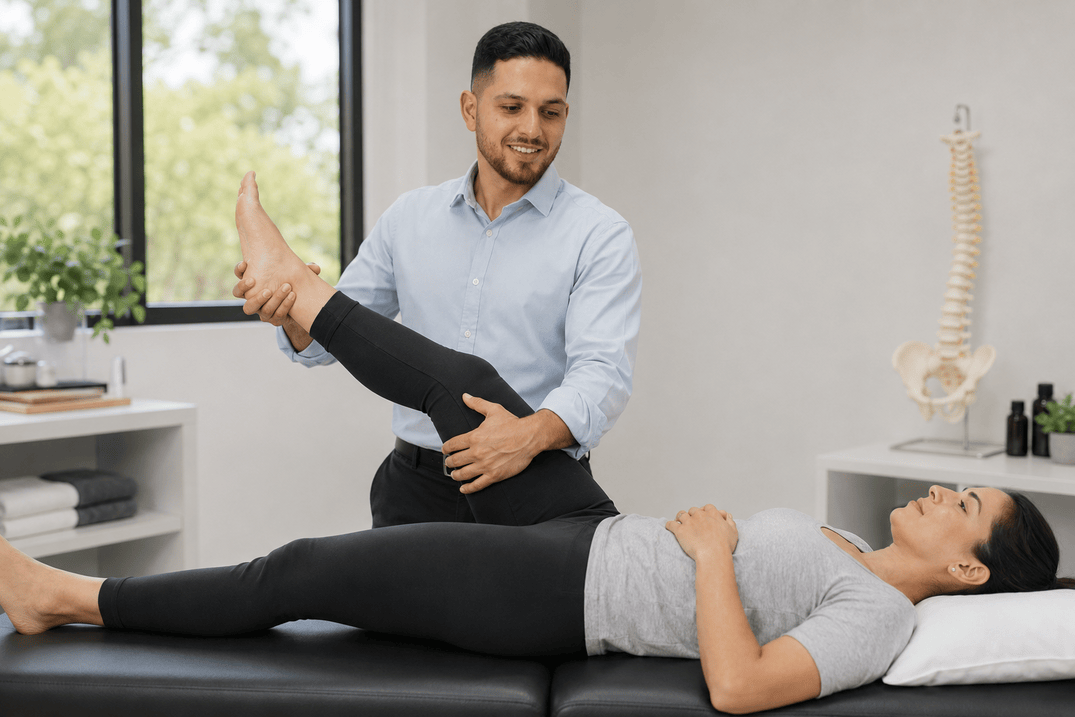
Progressive lower-limb strengthening and controls
POSSIBLE CONTRIBUTORS
Where knee pain may begin
The knee responds to forces from the hip above and the ankle below. Local tissue sensitivity and whole-leg capacity often need to be considered together.
Kneecap & Front of Knee
The patellofemoral region may become sensitive with stairs, squatting, running, kneeling or a rapid increase in activity.
Meniscus & Ligaments
Twisting, impact or a sudden change of direction can affect the stabilising ligaments or cartilage within the knee.
Tendons & Muscles
Quadriceps, hamstring and patellar tendons may become painful when training or work demand exceeds current capacity.
Hip, Ankle & Load Control
Hip strength, ankle mobility, balance and movement technique influence how load travels through the knee during daily tasks.
WHAT TO WATCH FOR
Symptoms & common causes
Symptoms to look out for
- Pain at the front, side, inside or back of the knee
- Swelling, stiffness, warmth or reduced movement
- Pain with stairs, squatting, kneeling, running or prolonged sitting
- Clicking, catching, locking or a giving-way sensation
- Reduced confidence bearing weight or returning to exercise
Common causes
- A twist, fall, impact or sporting injury
- A sudden increase in running, jumping, lifting or kneeling
- Patellofemoral pain or tendon overload
- Meniscal, ligament or cartilage irritation
- Osteoarthritis, inflammatory arthritis or gout
- Referred pain from the hip, lower back or nearby nerves
TREATMENT
How we may support it
At Spine & Strength Chiropractic, Craigieburn, the plan is based on the suspected tissue, swelling, stability, movement findings and the activities that matter to you.
- Manual or supportive care for connected hip, knee or ankle regions where appropriate
- Mobility exercises to restore comfortable knee and lower-limb movement
- Progressive quadriceps, hamstring, hip and calf strengthening
- Balance, landing, squat and movement-control retraining
- Referral for GP review, imaging, bracing or orthopaedic assessment when indicated
SHOULD YOU GET ASSESSED?
Signs you may benefit from an assessment
- Pain or swelling is persistent, worsening or restricting walking
- The knee locks, gives way or cannot fully bend or straighten
- You cannot comfortably bear weight after an injury
- There was a pop, rapid swelling or significant twisting event
- The knee is hot, red or swollen or symptoms occur with fever
Some knee symptoms need prompt medical care
Seek urgent medical assessment if the knee is deformed, you cannot bear weight after an injury, the joint is locked, or it becomes hot, red and swollen with fever. Sudden calf swelling, warmth, breathlessness or chest pain also requires urgent medical attention
YOUR JURNEY
Our 4-step care plan
We assess the knee and the connected hip and ankle to understand which movements and loads are driving the symptoms
Consultation
We discuss onset, swelling, injury mechanism, locking or instability, work and sport demands and your goals.
Physical Assessment
We assess knee movement, tenderness, strength, stability, balance and relevant hip, ankle and neurological findings.
Findings & Explanation
We explain the likely pattern and whether imaging, GP review, bracing or specialist referral may be useful.
Personalised Care Plan
Your plan may include movement modification, strengthening, balance work and graded return to stairs, work or sport.
FAQ
Frequently asked questions
Why does my knee hurt on stairs?
Stairs increase demand on the kneecap, quadriceps and surrounding tissues. Hip strength, knee capacity, activity volume and joint sensitivity may all influence symptoms.
Does clicking mean my knee is damaged?
Not always. Painless clicking is common. Clicking with swelling, locking, giving way or pain after injury should be assessed
Should I stop walking or exercising?
Complete rest is not always necessary. Activity can often be modified while strength and load tolerance are rebuilt, provided serious injury has been excluded.
Do I need an MRI for knee pain?
Many knee presentations can be assessed clinically. Imaging is considered when trauma, locking, instability or other findings suggest it would change management.
When should knee pain be checked urgently?
Seek urgent care for deformity, inability to bear weight, a locked knee, a hot swollen joint with fever, or sudden calf swelling and breathlessness.
Book a knee pain assessment in Craigieburn
Visit Spine & Strength Chiropractic in Craigieburn for a knee, hip and ankle assessment and a rehabilitation plan matched to walking, work or sport.