Pelvic Discomfort
Pelvic discomfort may be felt around the sacroiliac joints, groin, front of the pelvis or lower back. At Spine & Strength Chiropractic in Craigieburn, we assess musculoskeletal contributors while checking whether symptoms require GP, pelvichealth or urgent medical review.
Typical Recovery
May vary with walking, sitting, turning or load
Affected Area
Pelvic joints, groin, lower back or buttock
Common In
Active adults, parents, lifters and people after activity change
OVERVIEW
Understanding pelvic discomfort
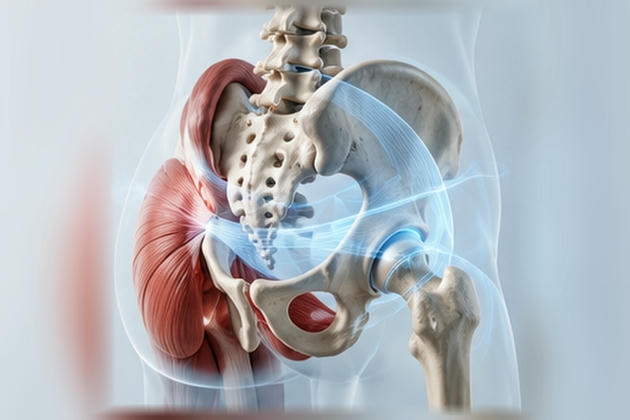
The pelvis links the spine to the hips and transfers load between the trunk and legs. Musculoskeletal discomfort may involve the sacroiliac region, pubic area, surrounding muscles or referred pain from the hip and lower back. However, the pelvis also contains the bowel, bladder and reproductive organs, which can produce pain in a similar area. A careful history is therefore important before assuming the symptoms are joint or muscle related, particularly when pain is associated with abdominal, urinary, menstrual, pregnancy or systemic symptoms.
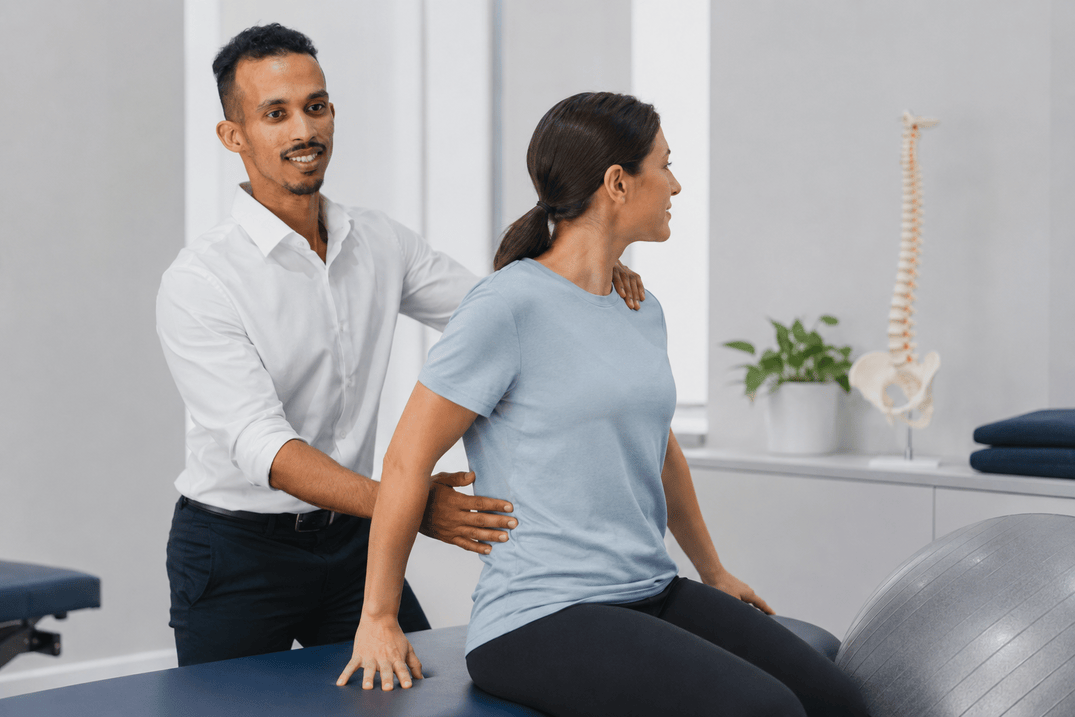
Pelvic, hip and lower-back movement assessment
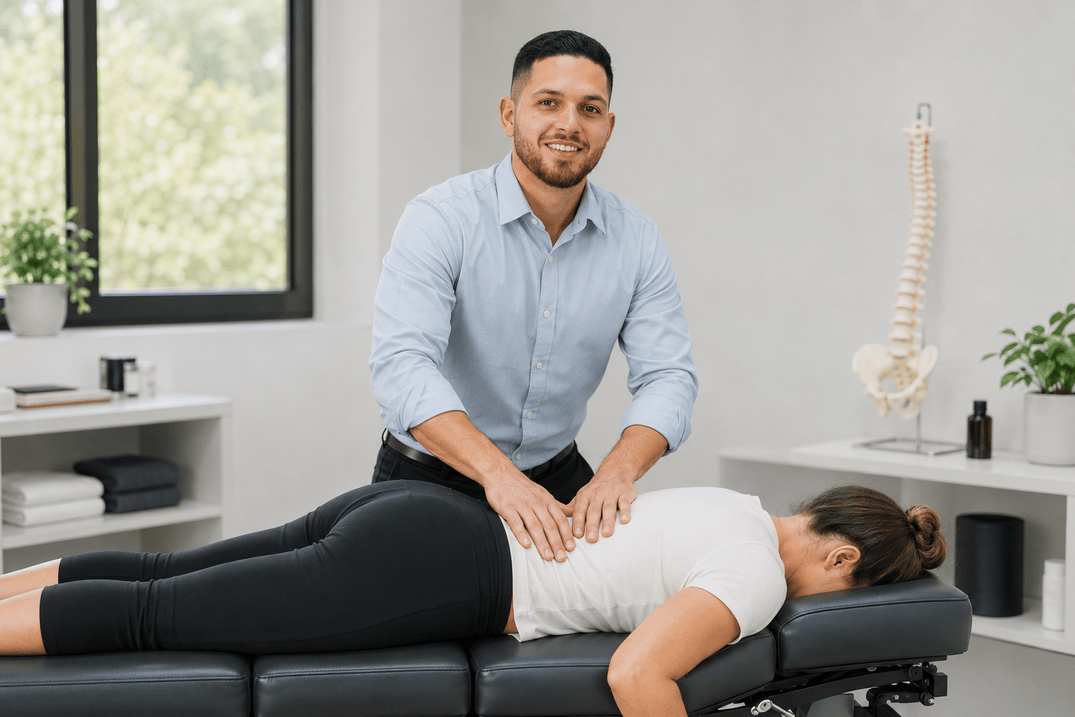
Individualised stability and mobility exercises
POSSIBLE CONTRIBUTORS
What may be involved
Pelvic discomfort can involve connected joints and muscles, but not every symptom in the pelvic area is musculoskeletal. Appropriate referral is an important part of assessment.
Sacroiliac Joints & Pelvic Ring
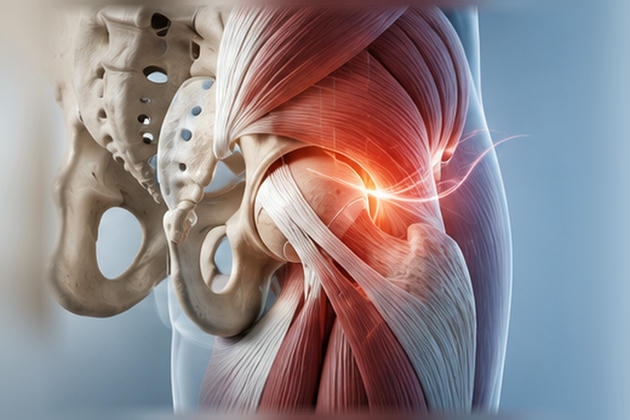
The joints and ligaments linking the pelvis and spine may become sensitive after strain, impact or changes in walking and load.
Muscles & Load Transfer
The trunk, gluteal, hip and pelvic-floor muscles work together to manage standing, lifting and single-leg tasks.
Hip & Lower-Back Referral
Hip joints, lumbar structures or nearby nerves may refer pain toward the groin, buttock or back of the pelvis.
Abdominal & Pelvic Organs
Bowel, bladder, reproductive, urinary and abdominal conditions can cause pelvic pain and need GP or specialist assessment rather than musculoskeletal treatment alone.
WHAT TO WATCH FOR
Symptoms & common causes
Symptoms to look out for
- Ache or pressure around one or both sides of the pelvis
- Pain near the sacroiliac region, groin or pubic area
- Discomfort with walking, rolling in bed, stairs or single-leg loading
- Symptoms occurring with lower-back, hip or glute pain
- Pain that changes with sitting, standing, lifting or activity
Common causes
- A change in lifting, walking, running or training demand
- Pelvic-girdle joint or ligament sensitivity
- Reduced hip, trunk or gluteal strength and load tolerance
- Referred symptoms from the lower back or hip
- Pregnancy-related or post-partum pelvic-girdle factors
- Bowel, bladder, reproductive, urinary, inflammatory or other medical conditions
TREATMENT
How we may support it
Spine & Strength Chiropractic, Craigieburn, provides musculoskeletal assessment and care only when findings indicate that the joints, muscles or movement system are relevant.
- Gentle pelvic, hip or lower-back care where clinically appropriate
- Mobility and stability exercises matched to symptom response
- Progressive trunk, gluteal and lower-limb strengthening
- Guidance for walking, lifting, sleep positions and daily load
- Referral to a GP, pelvic-health physiotherapist, maternity provider or specialist when symptoms fall outside a musculoskeletal presentation
SHOULD YOU GET ASSESSED?
Signs you may benefit from an assessment
- Discomfort is persistent, worsening or limiting normal movement
- Pain repeatedly occurs with walking, turning in bed or singleleg tasks
- Symptoms include groin, abdominal, urinary or bowel changes
- Pain occurs during pregnancy or the early post-partum period
- There is leg weakness, numbness or altered bladder or bowel control
Pelvic pain can have non-musculoskeletal causes
Seek urgent medical care for sudden severe pelvic or abdominal pain, especially with vomiting, faintness, heavy bleeding or possible pregnancy. Call 000 for new loss of bladder or bowel control, saddle-area numbness or major weakness. Fever, urinary symptoms, unexplained bleeding or persistent pelvic pain should be discussed with a GP.
YOUR JURNEY
Our 4-step care plan
The first step is to clarify the location and behaviour of symptoms and decide whether musculoskeletal assessment is suitable or medical review should come first.
Consultation
We discuss location, onset, activity, pregnancy or post-partum factors, abdominal or urinary symptoms, medical history and goals.
Physical Assessment
When appropriate, we assess lower-back, pelvic and hip movement, strength, balance and relevant neurological signs.
Findings & Explanation
We explain whether the pattern appears musculoskeletal and identify GP, pelvic-health or specialist referral needs.
Personalised Care Plan
Your plan may include hands-on care, movement strategies, strengthening and coordination with other health professionals.
FAQ
Frequently asked questions
Is pelvic discomfort the same as sacroiliac joint pain?
Not necessarily. The sacroiliac region is one possible source, but hip, lower-back, muscular and non-musculoskeletal conditions can produce similar symptoms.
Can the lower back refer pain into the pelvis or groin?
Yes. Lumbar and hip structures may refer symptoms into the pelvic or groin region. Examination findings help determine whether this is likely.
Can you assess pelvic discomfort during pregnancy?
Musculoskeletal assessment may be suitable for some pregnancy-related symptoms, but care should be coordinated with your GP, midwife or obstetric provider and adapted to your stage of pregnancy.
When should pelvic discomfort be assessed by a GP?
See a GP for persistent pelvic pain or symptoms involving bleeding, urinary or bowel changes, fever, abdominal pain, pregnancy concerns or unexplained weight loss.
Will pelvic discomfort always need hands-on treatment?
No. Some presentations are better managed with exercise, activity changes, pelvic-health care or medical referral. Recommendations should follow the assessment findings.
Book a musculoskeletal pelvic assessment in Craigieburn
Visit Spine & Strength Chiropractic in Craigieburn for careful assessment of pelvic, hip and lower-back factors and guidance on the most appropriate next step.